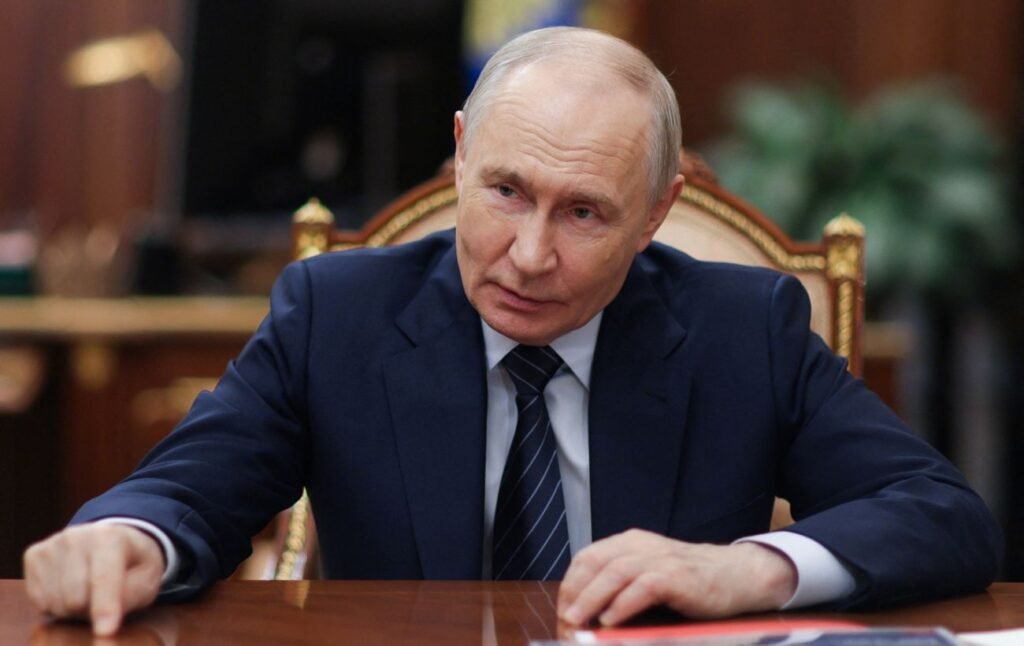
Russian President Vladimir Putin has warned that Moscow will retaliate against Ukrainian attacks on Russian oil refineries, describing a response as inevitable amid renewed strikes on the country’s energy infrastructure.
Putin made the statement on Tuesday, November 24, during a meeting in Moscow focused on the development of Russia’s fuel and energy sector. He accused Ukraine of continuing to target Russian refining facilities despite an appeal by United States President Donald Trump for both sides to refrain from attacks on energy infrastructure.
According to “Anadolu Agency” , Putin said retaliatory measures would follow and called for additional security measures to protect refineries and their employees.
The warning signals the possibility of further escalation around energy facilities, which have become an important target in the ongoing Russia-Ukraine war.

Ukraine defends its attacks
Ukraine has maintained that its strikes on Russian energy infrastructure are linked to Moscow’s continued military campaign.
Ukrainian Foreign Minister Andrii Sybiha responded to Putin’s remarks by arguing that Russia could end the attacks by bringing the war to an end.
In comments reported by “Reuters” Sybiha said Putin could stop Ukrainian strikes by ordering an end to the invasion, rejecting Moscow’s complaints over attacks on its refineries and military vessels.
The exchange reflects the opposing positions of both governments on attacks on energy infrastructure, with neither side indicating a willingness to unilaterally suspend such operations.
Pressure on Russia’s fuel sector
The renewed attacks have reportedly affected Russia’s domestic fuel market. Reuters cited estimates from two industry sources indicating that Ukrainian drone strikes had reduced the combined crude-processing volumes of Russian refineries by 45 per cent since late October.
Several Russian regions have also introduced restrictions on the retail sale of petrol and diesel following the renewed attacks, according to local media and authorities.
Putin acknowledged difficulties in the domestic petroleum-products market but said fuel supplies had remained stable, citing increased production, reserves, and adjustments to distribution arrangements.
He also called for stronger protection of energy facilities and their workers.
Wider implications for energy markets
The developments come amid broader tensions over Russian energy exports, particularly as the European Union prepares to stop importing Russian seaborne liquefied natural gas from January 2027.
Putin criticised European restrictions and said Russia would continue seeking alternative markets and transport routes, including through the Northern Sea Route.
While the latest warning does not specify the form or timing of any Russian retaliation, it raises concerns that energy infrastructure could remain a major target in the conflict.