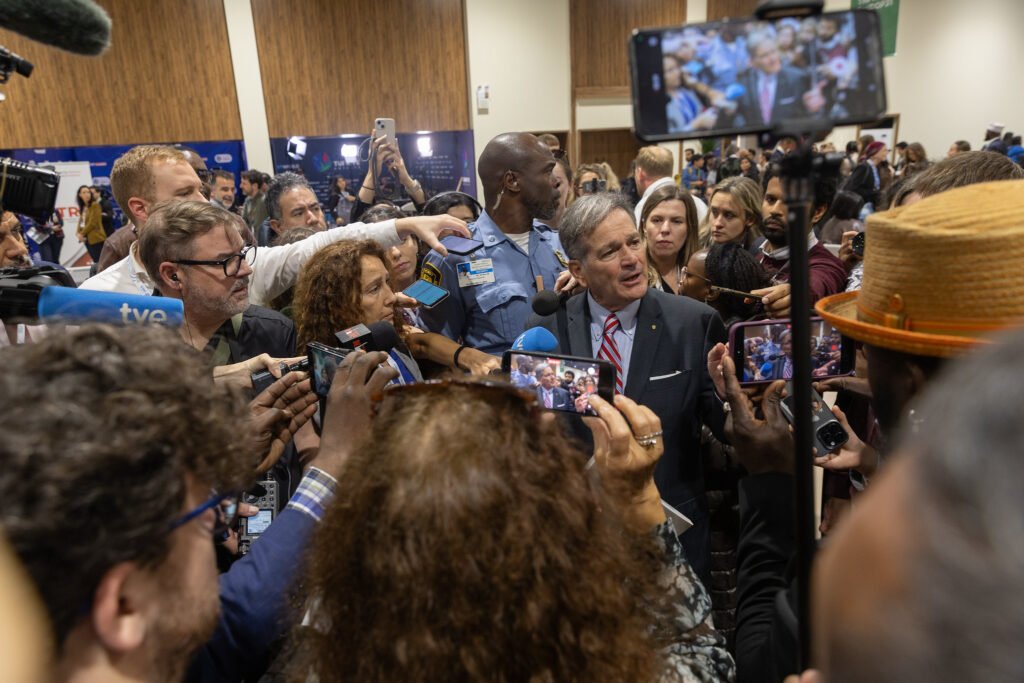
The United Nations COP31 climate negotiations in Antalya, Türkiye, have extended beyond their scheduled Friday closing date, with nearly 200 participating countries struggling to reach agreement on fossil fuels and financial support for nations vulnerable to climate change.
The summit, hosted by Türkiye with Australia overseeing the negotiations, was scheduled to conclude on November 20. However, disagreements over the wording of the proposed final agreement forced delegates to continue discussions into Saturday, November 21.
At the centre of the dispute is whether the final document should explicitly acknowledge fossil fuels and reinforce commitments to move away from coal, oil, and gas.
Disagreement over fossil fuel commitments
The latest draft agreement circulated during the negotiations removed explicit references to fossil fuels, despite earlier international commitments to transition away from their use.
The omission has drawn opposition from several countries, particularly members of the European Union, which argue that an agreement addressing climate change should directly recognize the role of fossil fuels in global warming.
Panama has also opposed a final document that fails to address fossil fuels, with its environment minister indicating that the country would not accept an agreement that ignores the issue.
Meanwhile, countries including Saudi Arabia have resisted language they consider inconsistent with national energy policies and energy security priorities.
According to “RTÉ” , the disagreement has delayed progress on the final text, with negotiators still divided despite efforts to find common ground.
African countries demand more climate finance
Climate finance has emerged as another major source of disagreement, particularly for developing countries that face the consequences of rising temperatures despite contributing relatively little to historical global emissions.
African representatives have called for adaptation financing to increase to $120 billion annually by 2035, arguing that vulnerable countries require greater support to prepare for extreme weather, droughts, floods, and other climate-related challenges.
Developing nations have also raised concerns about the difficulty of accessing existing climate-funding commitments, and the gap between promises made at previous summits and actual financial delivery.
As reported by “The National” African ministers have pushed for a substantial increase in adaptation finance, while the latest draft agreement has yet to secure binding commitments that meet their demands.

Negotiations continue beyond deadline
The summit’s negotiating leadership has continued efforts to produce a revised agreement acceptable to participating countries.
Australia’s Climate Change and Energy Minister, Chris Bowen, who is overseeing the negotiations, has maintained that a deal remains possible despite the disagreements.
The talks have also faced criticism from environmental organisations and civil society groups, which argue that removing fossil fuel references would weaken the summit’s ability to address the main drivers of climate change.
The “Associated Press” reported that negotiations remained unresolved as countries continued working through competing demands over emissions, energy policy and financial support.
With decisions at the climate summit requiring broad consensus, the outcome will depend on whether countries can agree on language that addresses both emissions reduction and the financial needs of vulnerable nations.
The negotiations remain a test of international cooperation as governments attempt to translate previous climate commitments into practical action.