Violence erupts during security operation
At least 10 people have been killed and 13 others injured following clashes between protesters and security forces enforcing restrictions on artisanal gold mining in northeastern Guinea.
The violence occurred on Wednesday, November 11, in Balato, within the Siguiri region, as defence and security personnel conducted patrols to check compliance with the government’s ban on unauthorised gold mining.
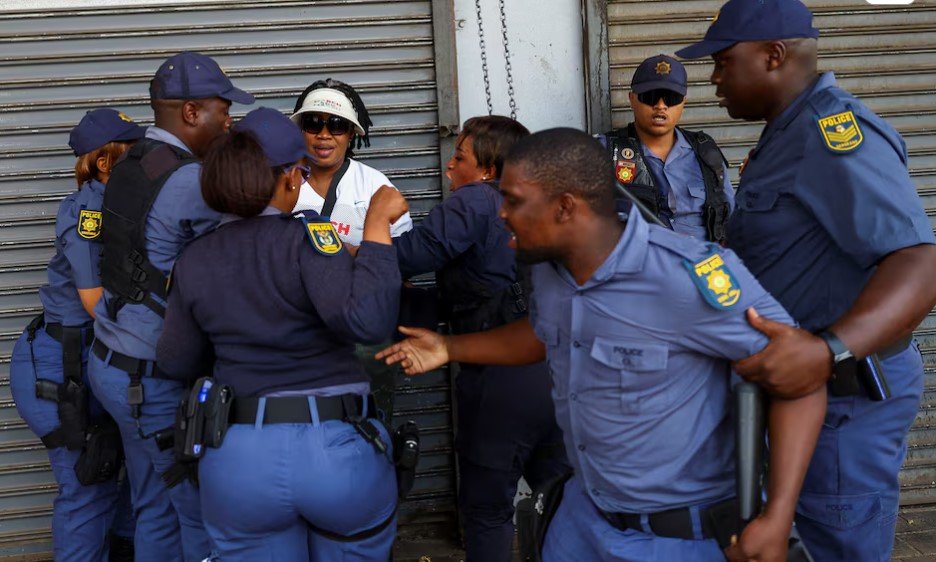
According to a government statement reported by “Associated Press” protesters erected barricades to block the security patrol, leading to confrontations and exchanges of gunfire. Authorities did not establish who fired first.
The government’s provisional death toll includes five foreign nationals whose identities have not yet been established. Those injured include civilians and members of the security forces. Several vehicles were also set on fire, while protesters reportedly took a firearm and a motorcycle.
Judicial authorities have been assigned to investigate the circumstances surrounding the violence and determine responsibility.

Crackdown follows mining ban
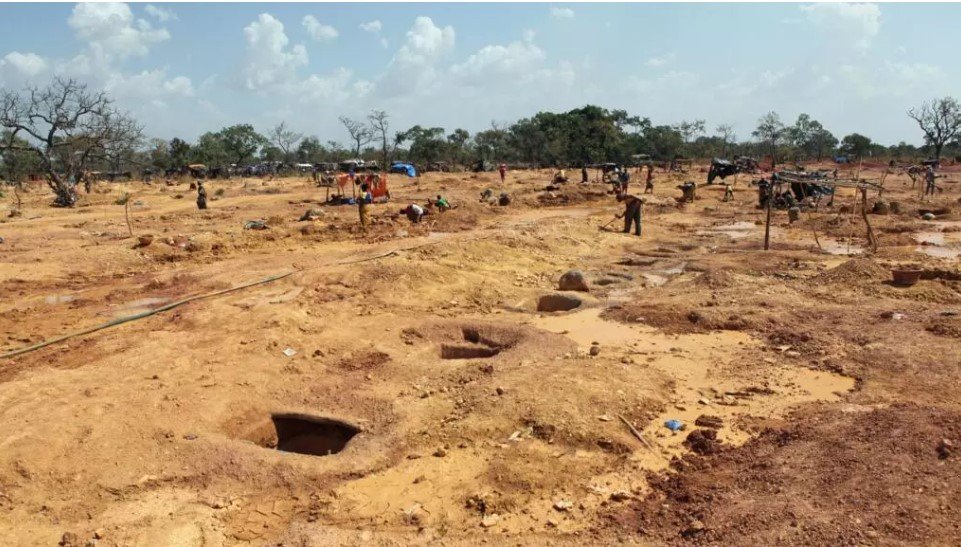
The confrontation comes after Guinea prohibited artisanal gold mining in Siguiri on November 2, citing environmental damage caused by unregulated operations.
The government says mining activities have contributed to the destruction of agricultural land, pollution of rivers, and damage to vegetation through the use of heavy machinery and harmful chemicals.
Authorities have also arrested more than 1,200 people suspected of illegal mining in the region, with mass trials beginning this week.
However, the restrictions have had consequences for communities that depend on artisanal mining. According to “Al Jazeera’s report” neighbouring Mali reported that large numbers of people had crossed its borders following the ban, while Burkina Faso said it had repatriated more than 45,000 of its citizens affected by the crackdown.
Livelihoods caught between regulation and survival
Artisanal and small-scale gold mining supports the livelihoods of more than 300,000 people in Guinea, according to the United Nations Environment Programme.
The sector also attracts workers from other West African countries, making the government’s enforcement measures a regional concern.
While authorities have defended the restrictions as necessary to address environmental degradation, the clashes demonstrate the difficulties of implementing mining regulations in communities where the industry provides an important source of income.