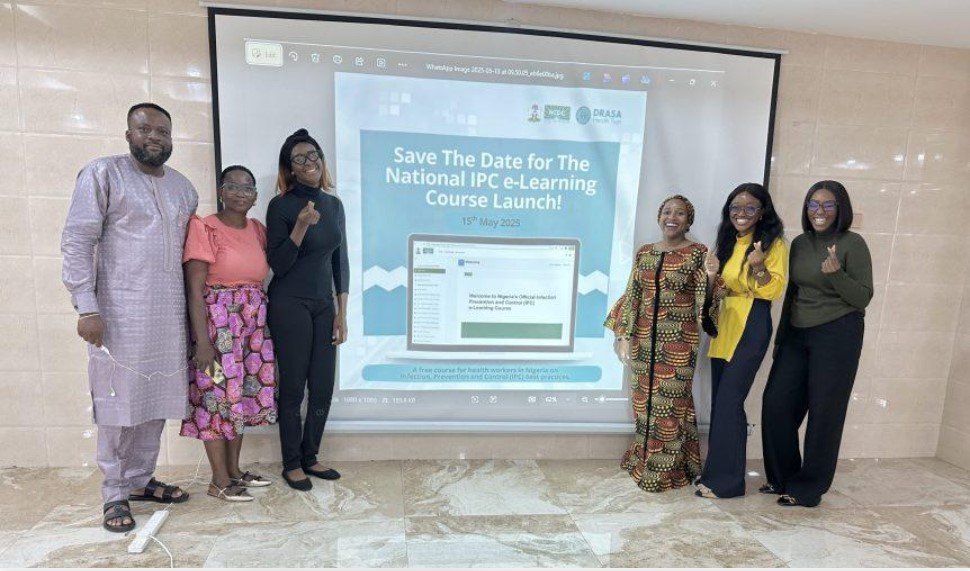
Dr Niniola Williams, co-founder and chief executive of the Dr Ameyo Stella Adadevoh Health Trust, has urged hospitals and communities to make infection prevention a routine priority. According to The Guardian, Williams made the call at the 11th Future of Health Conference, organised by Nigeria Health Watch in Abuja, where she emphasised that healthcare safety must remain a priority even when there is no ongoing disease outbreak attracting public attention.
Why does routine prevention matter?
Healthcare-associated infections can create new risks for patients who enter facilities seeking treatment for unrelated conditions. Williams highlighted the importance of protecting people recovering from surgery, women giving birth, and workers who may encounter infectious material during clinical duties. Preventive measures are relevant in ordinary wards and clinics as well as specialist isolation units. This makes infection prevention a matter of patient safety and quality of care, not only outbreak response.

Which safeguards did the trust identify?
The measures described at the conference included hand hygiene, safe injection practices, adequate disinfection of medical equipment, environmental cleaning, and appropriate ventilation. Williams also cautioned against assuming that gloves alone are sufficient. Effective protection requires staff to follow the right procedures consistently and facilities to provide the supplies and working conditions that make those procedures possible. A policy displayed on a hospital wall offers little reassurance if essential materials are unavailable.
How extensive is the trust’s work?
Williams said DRASA had equipped more than 16,000 healthcare workers with infection prevention and control knowledge and skills. She also described a network of nearly 100,000 health champions trained to recognise warning signs, encourage preventive behaviour, and alert relevant authorities. Those numbers were presented by the organisation at the conference and should be treated as its reported programme reach rather than independent measurements of reduced infection rates.
What did other health leaders say?
The wider conference addressed healthcare financing, innovation, and equitable access. National Health Insurance Authority Director-General Kelechi Ohiri called for changes in the way Nigeria finances, organises, and delivers care, citing the combined pressure of infectious diseases and non-communicable conditions. Participants also discussed the need to move promising innovations beyond isolated pilot projects. Those concerns intersect with infection prevention because safe care requires reliable systems, trained staff, and sustainable investment.
Which practical questions remain?
There is also a difference between teaching infection-control principles and monitoring whether they are followed. Staff may know the appropriate procedure but face shortages of running water, soap, disinfectants, or safe waste-disposal facilities. Busy wards can further undermine compliance when staffing levels are inadequate. Hospital leadership must therefore treat infection prevention as an operational responsibility involving procurement, maintenance, and supervision, rather than solely as a subject for occasional workshops.
What would implementation require?
Patients and relatives also have a role, although responsibility must not be shifted away from facilities. Clear explanations of hand hygiene, safe visiting practices, and prompt reporting of concerning symptoms can support safer care. Such communication should be accessible in local languages and adapted for people with different levels of health literacy. Hospitals can strengthen trust by explaining their standards openly and providing safe channels for patients to raise concerns without fear of retaliation.
What Happens Next?
Health authorities, hospital managers, and professional bodies face the practical task of turning repeated calls for infection control into verifiable routine practice. Useful indicators would include the availability of handwashing facilities, compliance with cleaning protocols, staff refresher training, and systems for reporting healthcare-associated infections. Public reporting on those measures could help distinguish facilities that have adopted standards from those that have only announced commitments.
Trivane View
Outbreak headlines can bring urgent attention to disease control, but patients need protection every day. The central challenge is not a shortage of advice about handwashing or disinfection; it is ensuring that these practices are supported by supplies, supervision, and accountability. Training figures are encouraging only when they translate into safer experiences for patients and workers. Infection prevention deserves a place in ordinary healthcare budgets and performance reviews.
Related Trivane Story
UNICEF Warns of Child Deaths in Baidoa Fighting as Hospital Access Is Blocked