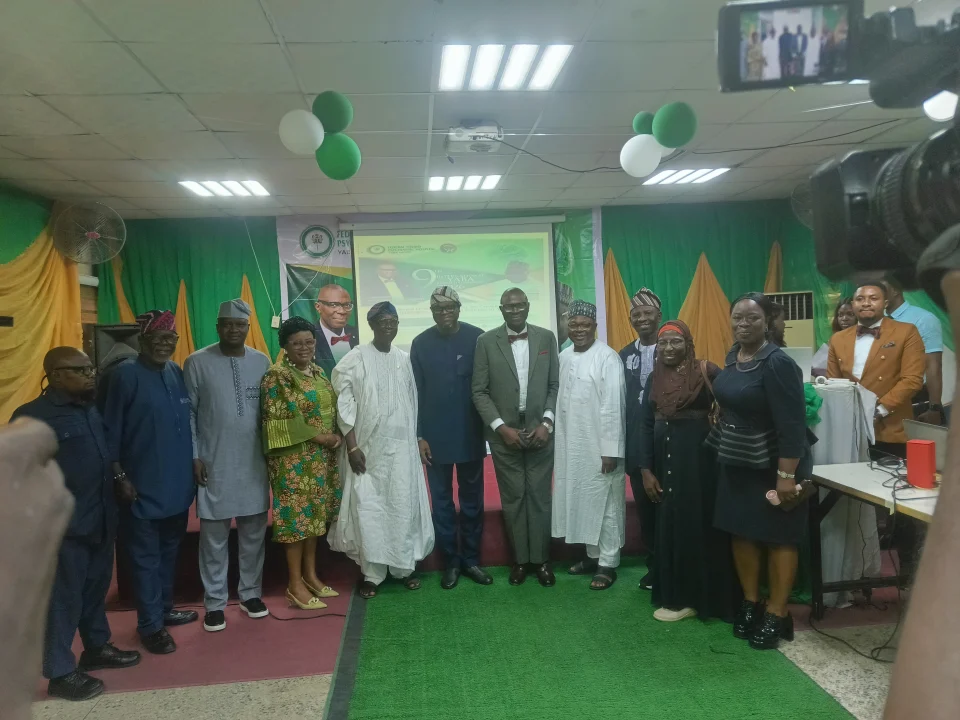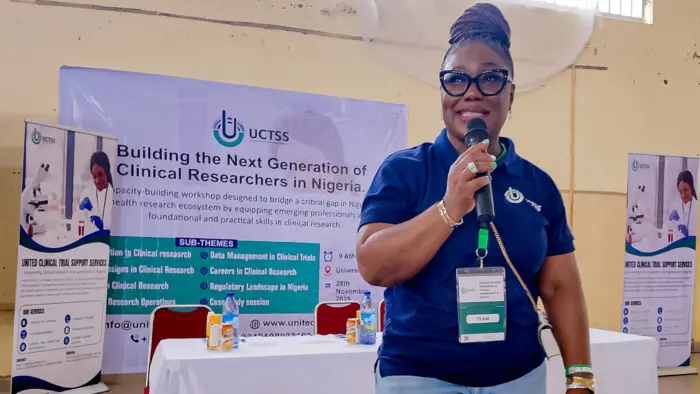
Organisers of the 2026 Africa’s Clinical Research Ecosystem Summit have announced that the gathering will take place in Yaba Lagos, on November 27 and 28, with a focus on African participation and professional talent in clinical trials. The programme is expected to bring together students, researchers, healthcare workers, universities and industry representatives.
A report published Wednesday, October 28, said the summit will examine ways to build local research capacity and expose early-career professionals to clinical-research pathways. Organisers are presenting the event as a forum for practical solutions rather than solely academic discussion.
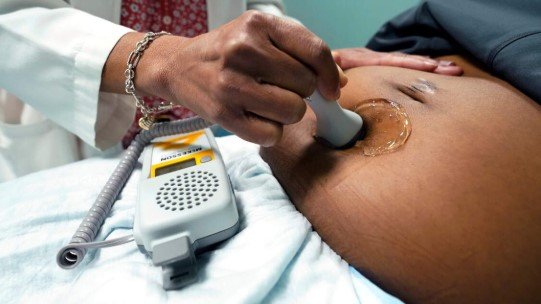
Clinical trials are a central part of testing medicines, vaccines and other medical interventions. They require rigorous protocols, informed consent, ethical review, qualified investigators and systems for recording outcomes and adverse events. An increase in trial activity is valuable only when participant safety and research integrity remain central.
What Does the Development Mean?
The summit’s stated theme, Redefining Representation and Talent in African Clinical Trials, raises two connected questions. One concerns who is included in research populations; the other concerns whether African researchers and institutions have the resources and authority to design, lead and interpret studies that affect their communities.
Organisers have named speakers from medical education, clinical pharmacology, the Nigerian Institute of Medical Research and private research organisations. The planned sessions include career discussions, networking, and group proposals intended to address gaps in the clinical research ecosystem.
Better representation in research is not simply a question of recruiting more volunteers. Study design must reflect local disease patterns and access to treatment, while researchers must consider language, geography, socioeconomic barriers, and the availability of follow-up care. Communities should also understand the purpose and risks of participation.

What Challenges Remain?
Nigeria’s universities and medical institutions already conduct health research, but capacity differs across facilities. Reliable laboratories, data management, trained coordinators, ethics committees, and sustainable funding are needed if local centres are to participate consistently in high-quality trials. A two-day summit cannot solve those problems on its own.
The event could nevertheless help students identify professional roles beyond clinical practice, including research coordination, biostatistics, monitoring, regulatory affairs, and data management. That matters in a country where many health science graduates may be unfamiliar with the range of careers supporting medical discovery.
There is also a public-accountability dimension. If Nigeria seeks to attract more clinical research, authorities and institutions should explain how trial sites are approved, how volunteers are protected, and how findings are communicated. Transparency is especially important when participants are recruited from populations with limited access to routine healthcare.
The term representation must also include meaningful public engagement. Potential volunteers should know who sponsors a trial, what the study aims to discover, what alternatives exist, and whom to contact if concerns arise. Information should be presented in a language participants understand, with independent ethical oversight and procedures for reporting adverse events.
Research workforce development requires more than inspirational career talks. Universities and employers can create supervised placements, structured training, and mentorship in protocol design, statistics, and clinical operations. Clear career pathways would help graduates translate academic qualifications into skills that research institutions can use immediately.
Funding and data systems are equally important. A trial site needs reliable records, secure handling of personal information, consistent laboratory quality, and the capacity to follow participants over time. If these foundations are weak, ambitious partnerships risk producing fragmented studies rather than reliable evidence that improves patient care.
The event is scheduled for late November, so organisers still have time to clarify its expected outputs and how participants can remain involved. Publishing an accessible post-event report would allow students and research institutions to track promised training opportunities and proposed collaborations. It would also help distinguish discussions of scientific inclusion from tangible progress in the number of trained researchers, functional trial sites, and responsibly conducted studies.
What Happens Next?
Organisers are accepting registrations ahead of the November event. Its real contribution will be easier to assess if participating organisations publish the practical proposals, partnerships, or training opportunities that emerge and report on implementation after the summit.
Trivane View
Stronger African participation in clinical trials could make medical evidence more relevant to local patients and create skilled jobs. But representation must mean genuine scientific leadership and ethical protection, not simply larger recruitment numbers. The summit should be judged by what institutions deliver afterwards.