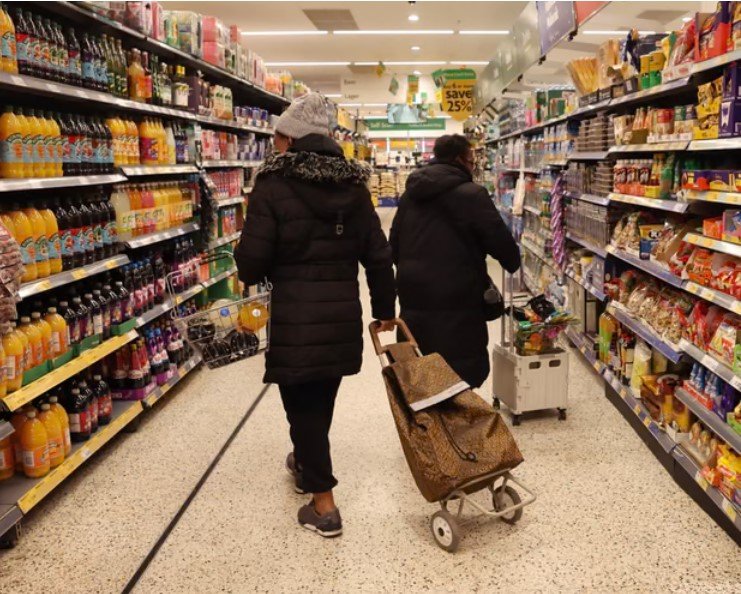
Shop-price inflation in the United Kingdom rose in October, with retailers facing growing pressure from higher operating costs, according to figures released by the British Retail Consortium (BRC).
In its report published on 27 October, The Guardian reported that annual shop-price inflation increased to 2.1% in October, up from 1.4% in September. The BRC said this was the highest rate in two and a half years.
Food inflation rose from 2.5% to 2.9%, while non-food inflation increased from 0.8% to 1.7%. Fresh food inflation, however, remained unchanged at 2.6%.
The figures measure changes in prices charged by retailers for shop goods and are separate from the broader consumer inflation measure, which includes a wider range of goods and services.

Rising Costs Put Pressure on Retailers
Retailers have been contending with higher energy, transport and ingredient costs, including pressures linked to the conflict in the Middle East.
The BRC said businesses had absorbed some cost increases while consumer demand remained weak, but warned that it was becoming harder to keep prices down.
According to the BRC’s own October update , higher costs were contributing to increases across food and non-food categories. The organisation also urged the government to address business costs ahead of the budget.
The rise does not mean every product has become more expensive. Retailers may still use discounts and promotions to attract shoppers, and price movements can differ across categories.
Low-Income Families Face Difficult Choices
The Guardian also cited research involving 76 low-income families that illustrated how rising living costs can affect household decisions.
In that study, 73% of participants said they used reduced-item aisles, 62% had changed the food they bought and 63% reported leaving their heating switched off despite cold conditions.
These figures apply to the families surveyed and should not be interpreted as a representative estimate of all UK households.
Nevertheless, the findings highlight the difficult trade-offs some families face when trying to manage food and heating costs alongside other essential expenses.
Further increases in shop prices could add to that pressure, although the overall effect will depend on household incomes, future price movements and government policy.