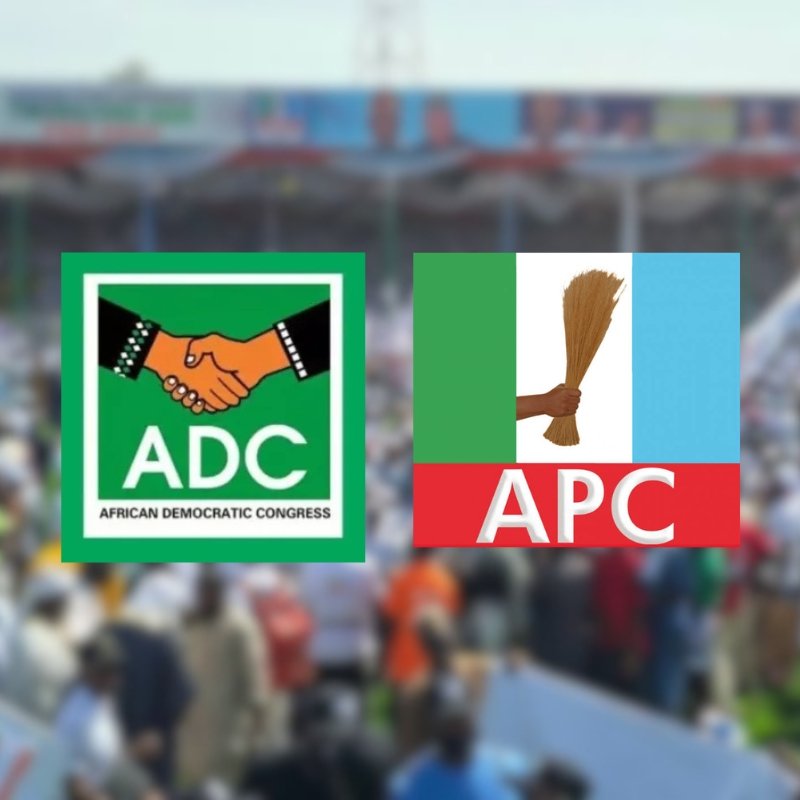
The African Democratic Congress has challenged the All Progressives Congress to substantiate allegations that the opposition planned to circulate deepfake videos and forged documents to discredit Saturday’s presidential campaign event in Kaduna. According to The PUNCH, ADC campaign official Phrank Shaibu issued the response on 24 October after the APC Presidential Campaign Council made its allegations earlier the same day. This is a genuine new exchange of statements, rather than an older political dispute simply republished today. Neither statement, however, amounts to an independent forensic investigation of the material being discussed.
What Did the APC Allege?
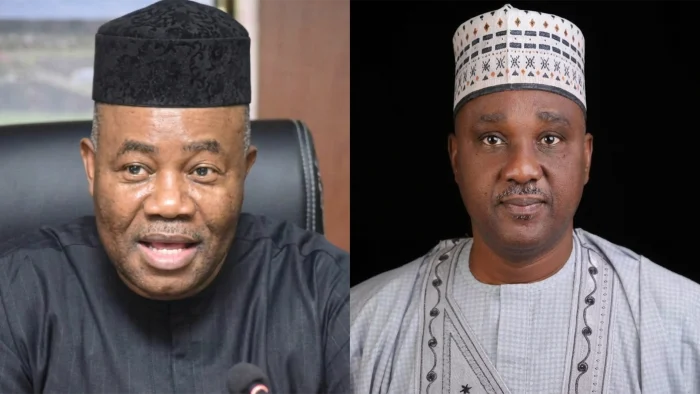
According to TheCable, APC campaign spokesperson Dele Alake alleged that former Vice-President Atiku Abubakar and the ADC were connected to a plan involving doctored videos, counterfeit documents and misleading social-media material. The campaign council also rejected a purported letter suggesting that Kaduna State had released ₦2.3 trillion to host the rally. The Guardian separately reported the APC’s denial of that spending claim. The document’s origin and authenticity have not been independently established by the reporting reviewed. It would therefore be inaccurate to report either that the state made the payment or that named opposition figures manufactured the document.

How Has the ADC Responded?
The PUNCH reported that Shaibu asked the APC to produce names, dates and forensic findings linking the ADC or Atiku to the disputed materials. He also criticised the government’s economic record and challenged aspects of the party’s explanation for security activity near campaign billboards. These are the opposition’s responses and political arguments, not independently proven findings about the government or the disputed photographs. The ADC also raised concerns about the welfare of supporters travelling to the rally, while acknowledging that details of reported accidents remained unconfirmed. Such reports require direct confirmation from emergency services or transport authorities.
Why Does the Dispute Matter Beyond the Rally?
Synthetic media can make it harder for voters to determine whether a political video or document is genuine. But the same uncertainty also creates an incentive for politicians to dismiss damaging authentic material as fabricated. That makes independent verification particularly important. A credible assessment would examine the original file, metadata where available, upload history, source accounts, and whether relevant people can corroborate the events depicted. None of the available reports establishes that a specific deepfake was produced by the people accused. Journalists should avoid reproducing disputed visuals without appropriate context.
What Is Known About the Kaduna Event?
The APC’s campaign activity in Kaduna is a separate, observable development. The PUNCH reported that President Bola Tinubu and Vice-President Kashim Shettima arrived for the campaign flag-off during the afternoon. That arrival should not be confused with proof of the claims exchanged by party spokespeople earlier in the day. Crowd images may document attendance at a particular moment but cannot establish statewide support or predict an election result. Reporting on the event should distinguish statements from party officials, independently observed events, and claims that remain contested.
What Evidence Would Resolve the Questions?
The alleged letter could be examined against official government correspondence, authorisation records, and independently obtained budget documents. Any video accused of being AI-generated would require technical examination alongside corroboration from the location and time it supposedly depicts. The parties could also disclose precisely what material they are referring to, rather than arguing about unspecified content. The Guardian and TheCable have documented the APC’s allegations; The PUNCH has documented the ADC’s response. Together they establish a dispute, not the truth of the underlying accusations.
What Should Editors Verify Before Publication?
The most important editorial safeguard is to distinguish documents that can be inspected from statements that merely describe them. Claims about who produced digital material, what public money was spent, and who attended the rally should be attributed to their source until independent records become available. Readers should also be told when a statement was made and whether the account includes a response from the people accused.
What Happens Next?
The immediate questions are whether either party publishes verifiable supporting material, whether the state government clarifies the disputed spending document, and whether independent fact-checkers can examine any viral images or videos. Further reporting should also verify claims about rally logistics and supporter welfare. Until then, the news is that the parties exchanged serious accusations and denials on Saturday. Treating the allegations as established would risk spreading precisely the kind of misinformation both sides say they oppose.
Trivane View
The dispute involves serious, competing allegations that should be tested against documents and technical evidence. Both the APC and ADC have an interest in how the narrative is presented; neither party’s statement should substitute for independent verification. The public interest is served by publishing authenticated facts, clearly identifying uncertainty, and correcting false material promptly.
Related Story
APC Alleges Disinformation Plot as Kaduna Denies ₦2.3tn Rally Claim