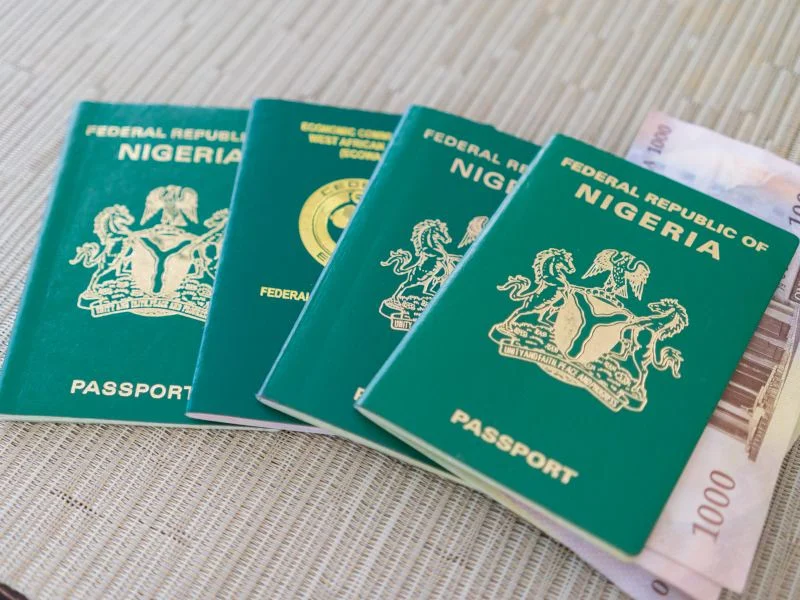
The Nigeria Immigration Service (NIS) has achieved a significant milestone in its efforts to ease the bureaucratic burdens faced by citizens living abroad, successfully enrolling 14,312 Nigerians in a massive passport intervention exercise across the United Kingdom. Punch Newspapers reported that the extensive operation was rolled out across four major centres to address the severe backlog of expired documents.
The data released early this morning indicates a highly structured and organized approach. The processing breakdown highlighted specific regional volumes, with the Manchester centre handling significant enrolments, followed by London, Aberdeen, and Cardiff. Officials confirmed that the passport production and dispatch processes are continuing unhindered, a stark contrast to previous years marked by systemic delays and technical failures.
Why Was This Fast-Track Necessary?
For years, the Nigerian diaspora in the UK has faced agonizing delays in obtaining or renewing their travel documents, a situation that frequently jeopardised their legal residency status, employment contracts, and academic enrolments. The backlog was compounded by a surge in migration following the expansion of the UK’s Skilled Worker and Student visa routes over the past few years.
The inability to produce a valid passport often left migrants unable to complete crucial Right to Work or Right to Rent checks. Acknowledging this crisis, the NIS deployed specialised biometric capture teams from Abuja to the UK High Commission and designated regional hubs, implementing an emergency fast-track model designed to clear the bottlenecks swiftly and efficiently.

How Are Diaspora Communities Responding?
The response from the Nigerian community in the UK has been overwhelmingly positive. Community leaders and student unions have praised the orderly nature of the recent exercise, noting that the decentralization of the enrollment centres to places like Aberdeen and Cardiff saved applicants the prohibitive costs and time associated with traveling to London.
Advocacy groups are now urging the Ministry of Interior to establish this expedited intervention as a permanent operational standard rather than a one-off emergency measure, ensuring that the consular needs of the growing diaspora population are consistently met.
What Happens Next?
With the enrollment phase completed, the NIS is now focused on the rapid printing and dispatch of the booklets directly to the applicants. Following the success of the UK model, there is growing anticipation that the Comptroller General of Immigration will authorize similar massive intervention exercises in North America and other major European hubs currently experiencing severe consular backlogs.
Related Story
Read Trivane’s earlier coverage: UK Threatens Visa Ban on Eritreans Over Migrant Returns Dispute