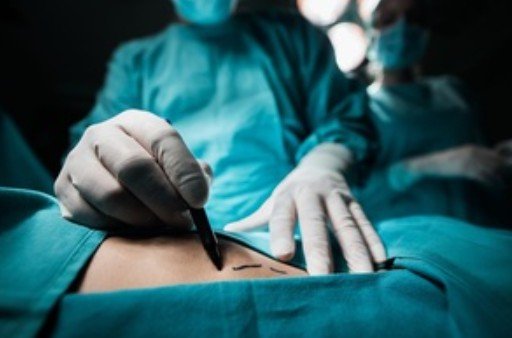
The UK government has unveiled proposals to restrict high-risk cosmetic treatments to appropriately qualified healthcare professionals, in a bid to prevent injuries and deaths linked to unregulated procedures.
In a Department of Health and Social Care announcement on Wednesday, 21 October, ministers said injectable body fillers used in procedures such as liquid Brazilian butt lifts would be treated as cosmetic surgery, meaning only doctors could perform them under the proposed framework.
The announcement follows concerns about unqualified operators offering invasive procedures in informal settings. It is a policy proposal subject to consultation and parliamentary steps, not a claim that every restriction has already taken effect.
Which treatments would face restrictions?
The proposed framework would reserve fillers injected into parts of the body other than the face for doctors. Other high-risk non-surgical treatments, including deep chemical peels, so called vampire facials, dermal micro-coring, and certain laser procedures, would be restricted to specified regulated professionals.
The government’s explanation says some nurses, midwives and pharmacists would qualify only after completing relevant accredited training and meeting prescribing requirements. The exact permitted professional categories vary by procedure; a broad claim that every registered nurse can perform every treatment would be inaccurate.

The proposals also seek to prevent under 18s from receiving designated high-risk cosmetic and wellbeing treatments. Separate restrictions on cosmetic fillers for children already exist, so the announcement should not be presented as the first protection of minors in this area.
What Penalties Are Being Considered?
Providers who breach the eventual regulations could face criminal enforcement, including unlimited fines through the courts or fixed penalties of up to £4,000. These are proposed sanctions for future breaches, not penalties already imposed on named clinics.
Sky News reported that the government also wants a licensing scheme for lower-risk treatments such as Botox and lip fillers. That separate scheme is intended to make it easier for patients to identify providers who meet safety standards.
ITV News likewise highlighted the distinction between restricting the most dangerous procedures and regulating lower-risk treatments through licensing. The policy is aimed at provider qualifications and patient protection, rather than a blanket ban on all cosmetic procedures.
Why Does Patient Safety Matter?
Liquid body fillers and other invasive procedures can carry serious risks when performed by inadequately trained people or in unsuitable premises. Ministers say clearer professional boundaries would close gaps that have allowed rogue providers to operate outside effective oversight.
Health Minister Karin Smyth argued that patients should be able to know whether their practitioner is appropriately qualified. That position is supported by the government’s consultation plan, but the effectiveness of the changes will depend on implementation, enforcement, and whether consumers can easily check credentials.
The story belongs under UK Health & NHS and Public Health because it concerns healthcare regulation and preventable harm. It is distinct from Trivane’s previous report on NHS organisations and a national data platform, which addressed a different question of public service oversight.
What Happens Next?
The government is opening consultation on draft regulations, with parliamentary consideration currently planned for spring 2027. Clinicians, regulators, businesses, and members of the public will be able to respond before the final rules are set. The key follow up will be the precise scope of restricted treatments, implementation dates, and enforcement arrangements.
Related Story
Trivane: NHS Organisations Face Scrutiny Over Data Platform