Healthcare workers in Katsina State have suspended their warning strike following discussions with Governor Dikko Radda, opening the way for public hospital services to resume while negotiations over outstanding welfare demands continue.
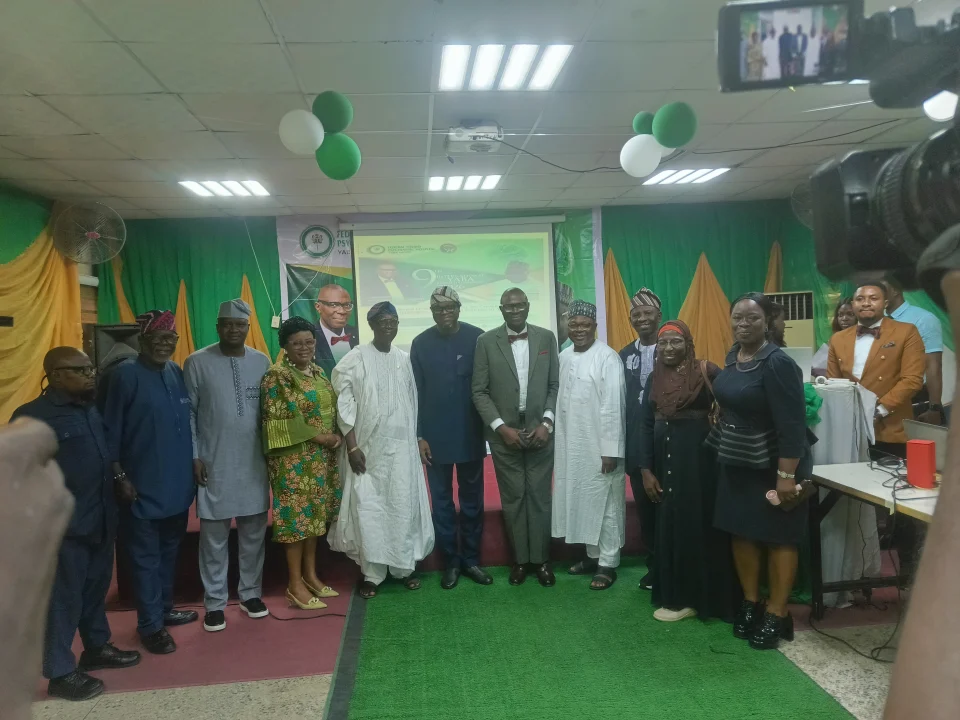
The suspension took effect at midnight on Sunday, 18 October 2026, after the governor met representatives of the Assembly of Healthcare Professionals (AHCP) on 16 October.
According to Premium Times, the decision followed commitments by the state government to reopen negotiations on salary adjustments, professional allowances and career progression.
The workers had begun a planned seven-day warning strike on 14 October. Their decision to suspend it came before the full seven-day period had elapsed.
Why the workers suspended the strike
A circular dated 17 October and signed by AHCP chairman Ibrahim A. Balange directed members to resume clinical and administrative duties across public health facilities from 18 October.
The circular followed a meeting with Governor Radda, during which the government reportedly agreed to review the workers’ outstanding demands.
As Katsina Times reported, the assembly welcomed the governor’s intervention and instructed its members to return to work.
The assembly brings together workers affiliated with the Medical and Health Workers Union of Nigeria, the National Association of Nigerian Nurses and Midwives, and the National Union of Allied Health Professionals.
Although the suspension allows services to resume, it does not mean the salary dispute has been settled.

What the government has promised
The government has committed to reopening discussions through a technical roundtable and reviewing the Consolidated Health Salary Structure, known as CONHESS.
The discussions are also expected to cover hazard allowances, call duty and shift duty allowances, and other outstanding entitlements.
Another issue concerns the skipping of CONHESS grade level 10 for eligible health professionals, which the workers want addressed in accordance with the applicable scheme of service.
A joint technical committee is expected to examine the outstanding demands and work towards agreed recommendations.
However, the reports reviewed do not establish when the committee will begin its work, what salary adjustments will ultimately be approved, or when any outstanding payments will be made.
A commitment to review workers’ demands is therefore different from a final agreement to implement them.
How the dispute began
The disagreement dates back to 2024, when the state government indicated that it would review health workers’ remuneration in relation to what their counterparts receive in federal health institutions.
According to the workers, a committee subsequently examined their complaints and submitted recommendations in March 2025, but the proposed changes were not implemented.
The assembly said the state initially offered an adjustment equivalent to 10 per cent of the salary difference between state and federal health professionals.
The offer was reportedly increased to 15 per cent, but workers considered it inadequate.
Their leadership sought implementation of the applicable federal salary structure while indicating a willingness to consider a 75 per cent compromise.
These percentages refer to competing proposals for addressing the pay difference. They should not be interpreted as confirmed across-the-board increases in existing salaries.
The assembly issued a seven-day strike notice on 7 October before beginning the warning strike on 14 October when its demands remained unresolved.
How patients were affected
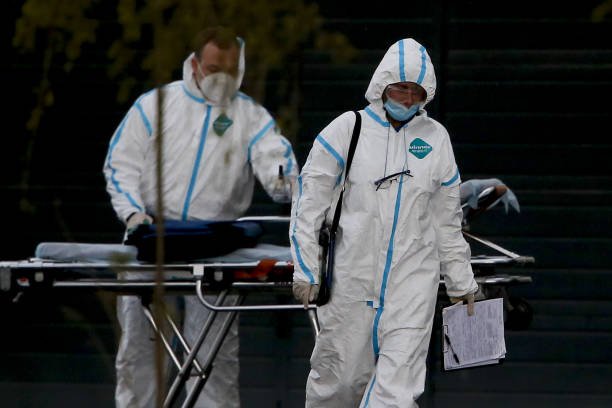
The industrial action disrupted healthcare services in public facilities, creating difficulties for patients and caregivers.
In an earlier report on the strike’s impact, Premium Times described concerns at Turai Yar’Adua Maternal and Child Hospital in Katsina.
A visit to the hospital on Saturday found limited activity around the surgical ward, while caregivers expressed concern about access to treatment.
The suspension is expected to ease the immediate disruption.
However, an instruction to resume work does not establish that every affected hospital has returned to normal operations. The extent of service restoration has not been independently confirmed.
Hospital managers may also need to address appointments and procedures affected by the stoppage.
What happens next?
The next stage of the dispute will depend on the promised technical discussions and whether the government and workers reach an agreement that can be implemented.
Key questions remain about the salary structure, the payment of allowances, eligibility for grade-level adjustments, and the timetable for any approved changes.
For patients, the immediate priority is the reliable restoration of healthcare services.
For workers, the concern is whether the commitments made during negotiations will produce measurable improvements in pay and working conditions.
The suspension has brought the immediate industrial action to an end, but a lasting settlement will depend on further negotiations and the implementation of whatever terms both sides agree.