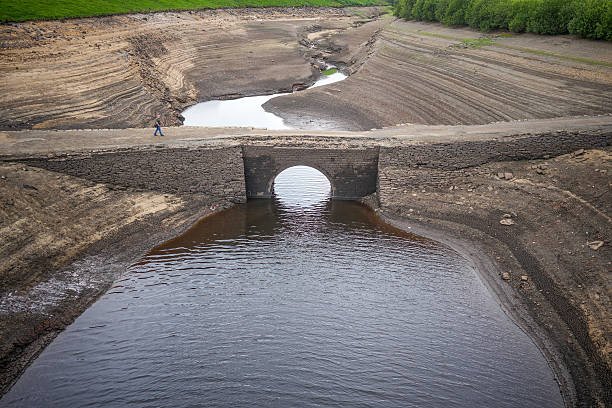
The Environment Agency declared drought in Yorkshire on Friday, 9 October, after a dry spring and summer left water levels in rivers and reservoirs low across many parts of the region.
The decision upgrades the area’s status from prolonged dry weather, which was declared at the end of July. (gov.uk)
Why recent rain has not ended the drought
According to the Environment Agency’s announcement, Yorkshire experienced its fifth driest April to September on record.
Vicki Townend, the agency’s area environment manager, said river flows and groundwater levels in parts of Yorkshire had fallen far enough to trigger the declaration.
She warned that even several weeks of rain would not quickly reverse the effects of the prolonged rainfall shortage. (gov.uk)
Does this mean a hosepipe ban?
Yorkshire Water’s customer guidance currently says there is no hosepipe ban in any part of Yorkshire.
The company nevertheless encourages customers to conserve water, including using a watering can instead of a hose, avoiding unnecessary use and watering gardens in the morning or evening.
Residents should check their supplier’s guidance for any subsequent changes to restrictions. (yorkshirewater.com)
A drought declaration considers environmental conditions as well as public water supplies. The Environment Agency assesses rainfall, river flows, groundwater, reservoir storage and ecological impacts when deciding an area’s status. (environmentagency.blog.gov.uk)
Protecting supplies and the environment
Water Minister Emma Hardy said companies were expected to follow their drought plans, repair leaks quickly and reduce demand.
The National Drought Group is meeting weekly to monitor conditions and coordinate action. The Environment Agency is also increasing monitoring and checks on those licensed to take water from rivers and other sources. (gov.uk)
Reducing water use helps protect more than household supplies. The agency says lower demand leaves more water available for rivers, wetlands and wildlife, which can remain under pressure long after dry weather begins to ease. (environmentagency.blog.gov.uk)