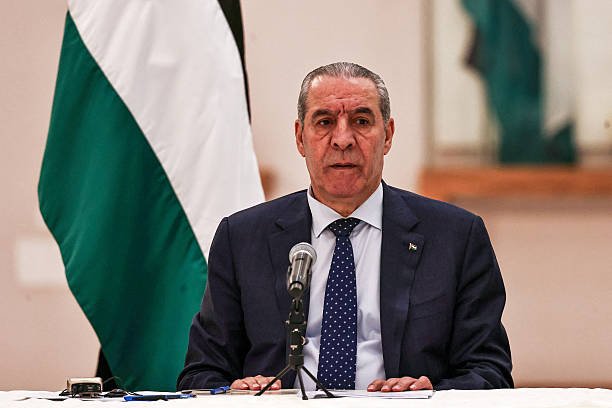
Palestinian legislative elections scheduled for 28 November 2026 are expected to be postponed for several months, according to a letter sent by Palestinian Vice-President Hussein al-Sheikh to France and seen by Reuters.
The letter, dated 8 October, cites worsening political, security and economic conditions across the Palestinian territories and says those conditions are preventing an inclusive and credible vote. Reuters reported that the postponement could potentially extend until September 2027, although a new election date has not yet been formally announced.
The development comes after weeks of preparations for what would have been the first Palestinian legislative election in two decades.
What Had Been Scheduled
President Mahmoud Abbas had set 28 November as polling day for elections to the Palestinian Legislative Council, with voting intended to cover the West Bank, including East Jerusalem, and the Gaza Strip.
The Central Elections Commission had already begun accepting candidate lists, opening nominations on 26 September. On the first day alone, six electoral lists submitted applications, while nominations remained open until 7 October.
The proposed election was expected to fill the 132-seat Palestinian Legislative Council and would have marked the first such vote since 2006.
Factions Had Already Discussed a Postponement
Before the letter to France became public, Palestinian factions had already been discussing whether the vote should be delayed.
Islamic Jihad deputy secretary-general Mohammed al-Hindi said factions meeting in Cairo had agreed to postpone the elections, while Fatah spokesperson Abdel Fattah Dolah said at the time that no final decision had yet been made and that further consultations were still required.
That difference in wording mattered: factional discussions indicated growing support for a delay, but they did not initially amount to a fully formalised postponement.
The letter reported by Reuters now provides stronger evidence that Palestinian leaders are moving towards delaying the November vote.
Two Decades Without Legislative Elections
The last Palestinian legislative election took place in January 2006, when Hamas won a parliamentary majority.
The political split that followed, including Hamas taking control of Gaza in 2007 and Fatah retaining authority in parts of the West Bank, contributed to a prolonged breakdown in national legislative elections.
Another attempt to organise elections in 2021 was postponed, with Abbas citing difficulties securing voting arrangements in East Jerusalem.
The 2026 vote had therefore been widely viewed as a possible opportunity to restore an elected legislature after a 20-year gap. Reuters reported in September that Abbas had publicly reaffirmed the 28 November date despite doubts over whether conditions would allow the election to proceed.
Why the Delay Matters
The issue goes beyond changing a date on the electoral calendar.
Organisers still face major challenges involving security, voting access in Gaza and East Jerusalem, political divisions between Palestinian factions and questions about whether all groups can participate freely. AP reported that these logistical and political problems had become central to discussions about postponement.
France has also taken a close interest in the election timetable, with Reuters reporting that Paris regarded elections as important to the legitimacy of Palestinian institutions and wider diplomatic efforts.
What Happens Next
A formal decree or official announcement confirming a postponement and setting a new timetable will now be the key development to watch.
Until that happens, the November election remains under serious doubt rather than simply proceeding as originally planned.
Any revised timetable will also need to clarify how authorities intend to address the security, access and participation issues cited as obstacles to holding the vote.
TRIVANE VIEW
Security, access and freedom of participation are essential to a credible election.
But after two decades without a legislative vote, any postponement also needs a clear public explanation and a workable new timetable. Palestinian voters should be able to see not only why the election has been delayed, but what conditions need to change before voting can realistically take place.