The idea of an African passport promises something simple: easier movement between African countries. For most travellers, that remains a goal rather than a document they can use to cross borders today.
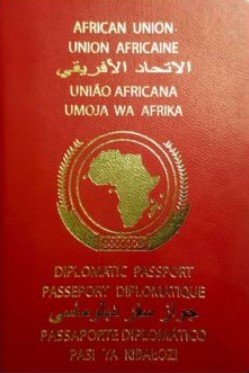
The African Union presented its passport at a summit in Rwanda in 2016, handing the first copies to two heads of state. It has also adopted a protocol covering free movement, residence, and the right to establish a business. Neither step created an automatic right for every African citizen to enter, work, or settle anywhere on the continent. National entry rules still matter.
How open are Africa’s borders?
The 2025 Africa Visa Openness Index, produced by the African Development Bank and the African Union Commission, found that 28.2% of travel routes between African countries were visa-free. That was an improvement on 20% in 2016, but it also shows how far the continent remains from visa-free travel for everyone. The percentage measures country-to-country travel arrangements, not the proportion of people who travelled.
Rules differ widely. Rwanda and The Gambia ranked highest in the 2025 index for visa-free access by African visitors. Kenya exempted citizens of most African countries from its electronic travel authorisation process, while Benin required visas from citizens of five African countries. A traveller should therefore check the rules for their own passport and destination before making plans.
Travel is only one part of free movement
Permission to enter a country does not, by itself, grant permission to take a job, study, or establish a business there. Those activities may require separate approval under national law. That distinction matters to students, workers, and entrepreneurs considering opportunities across African borders.
The African Union’s free movement protocol sets out a broader ambition covering travel, residence and establishment. Progress depends on countries putting such commitments into effect. Until then, the practical answer for each traveller lies in the current rules of the country they intend to visit.