The World Health Organization has urged Israel to speed up the entry of medical supplies into Gaza, warning that prolonged delays are undermining patient care and preparations for winter.
Speaking at a UN briefing on Friday, 2 October, Dr Reinhilde Van De Weerdt, WHO’s representative in the occupied Palestinian territory, said the agency’s analysis showed a median wait of 74 days for medical supplies to receive Israeli clearance.
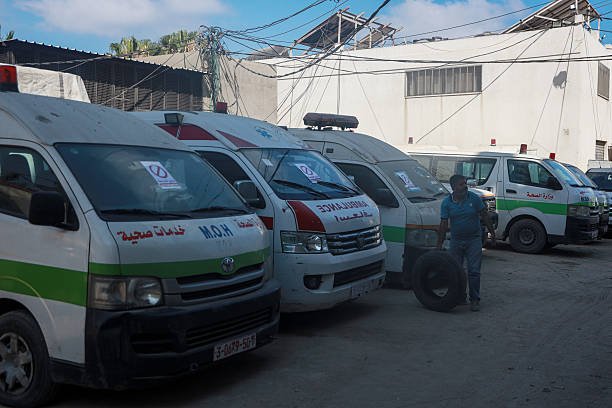
She said no hospital in Gaza was fully functional, with chronic shortages of medicines and equipment among the reasons health services remained severely limited. unognewsroom.org
Equipment and Prosthetics Face Repeated Delays
According to the UN briefing record, 40 per cent of laboratory and diagnostic equipment was awaiting approval. X-ray machines, sterilisation equipment, and spare parts for CT scanners were among the items facing delays or rejection.
One shipment of prosthetics and assistive devices had been rejected four times in six months, postponing support for people who had lost limbs.
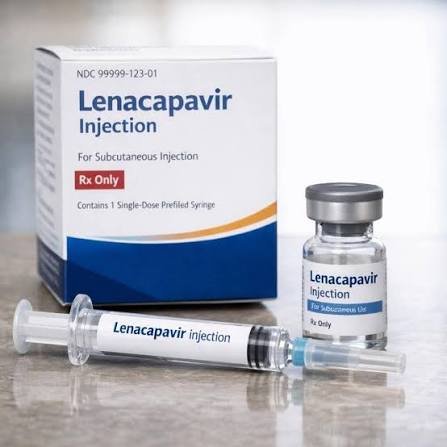
Medicines generally received approval more readily, Van De Weerdt said, with almost 87 per cent approved. However, clearance did not guarantee prompt delivery: further checks could delay supplies before they reached patients. unognewsroom.org
WHO Calls for More Routes Into Gaza
The UN said approved aid was entering through Kerem Shalom in southern Gaza. Rafah was open for limited movement of people, including patients travelling abroad for treatment, rather than aid deliveries. Four other main aid entry points remained closed.
WHO called for several crossings to operate and for clear, published entry procedures.
Van De Weerdt also challenged restrictions on standard medical supplies classified as “dual use”, meaning items Israeli authorities consider capable of military as well as civilian use. She argued that essential medical items were needed to run hospitals and clinics.
The agency said the test of aid delivery should be whether the right supplies reached health workers and patients in time, rather than truck numbers alone. unognewsroom.org
Winter Adds to Health Risks
WHO warned that inadequate shelter, unsafe water, and poor sanitation increased the risk of preventable illness. Damaged laboratories also made it harder to identify and contain outbreaks. unognewsroom.org
In a separate appeal issued on 17 September, UNICEF sought $97.5 million to protect 540,000 children and their families across Gaza and the West Bank during winter.
Its response, covering October 2026 to March 2027, includes warm clothing, blankets, shelter improvements, and flood prevention measures. UNICEF said timely funding was needed to procure and position supplies before conditions deteriorated. unicef.org