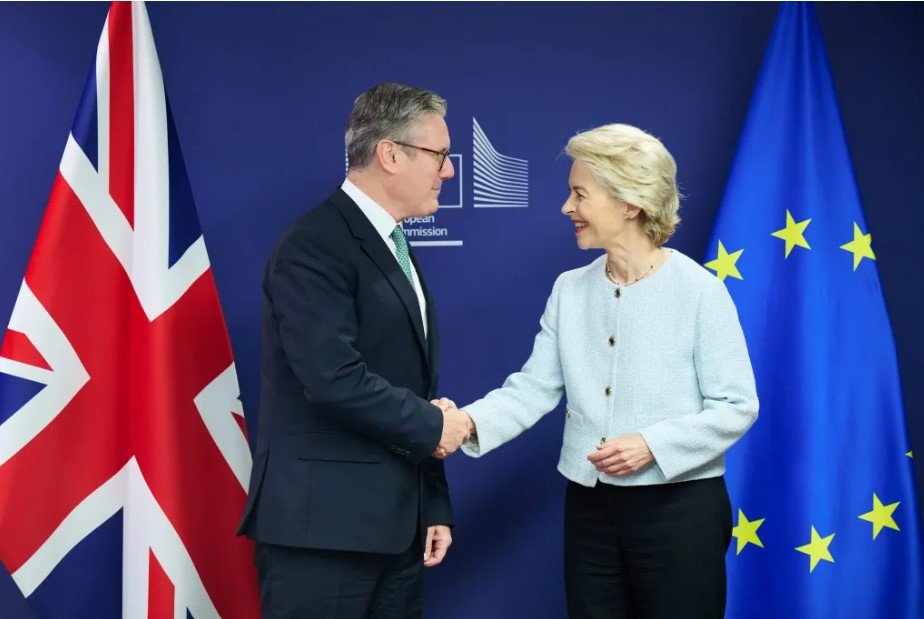

French President Emmanuel Macron plans to speak with G7 leaders about measures affecting crude oil and refined fuel markets, the Élysée Palace said on Friday.
The announcement followed a telephone conversation with US President Donald Trump. Macron called for joint action to tackle rising fuel prices while avoiding export restrictions, according to Reuters’ report of the French presidency’s statement. (reuters.com)
The discussions concern emergency reserves of physical oil and fuel. They come as governments weigh whether further releases could ease supply pressures without leaving them less prepared for another disruption.
France proposes diesel and crude releases
European Union governments discussed a French proposal on Friday under which European countries would release 50 million barrels of diesel and International Energy Agency members would release another 50 million barrels of crude oil.
Reuters attributed those figures to two people familiar with the discussions. France’s finance and energy ministry had not immediately responded to the agency’s request for comment.
One person told Reuters that European governments wanted any agreement to include a US commitment against imposing a unilateral diesel export ban.
The proposal remained under discussion. The reported volumes should therefore be treated as negotiating figures rather than supplies already approved for release. (reuters.com)
US pressure adds urgency
The talks follow US pressure on France and Germany to draw down emergency diesel inventories.
Reuters reported on Thursday, citing three people close to the discussions, that Washington had warned of a possible US diesel export ban if the two countries did not release supplies.
Trump has been considering restrictions as his administration seeks to bring down domestic fuel prices ahead of November’s midterm elections.
For European governments, the choice involves balancing immediate price pressures against the need to retain reserves should the fuel crisis worsen. A possible export ban and an agreed reserve release remain separate policy decisions. (reuters.com)
Britain joined discussions.
Britain participated in a separate discussion on Thursday with the European Commission, France, Italy, and Ireland about whether diesel stocks should be released.
Reuters attributed that information to an EU official. The Commission declined direct comment on the reported US warning.
Britain’s participation brings the discussions directly into UK economic policy, although the report did not announce a British stock release or specify how much fuel the UK might contribute. (reuters.com)
Why diesel supplies are under pressure
The International Energy Agency’s assessment of the Middle East crisis describes continuing disruption to oil movements through the Strait of Hormuz and damage to energy infrastructure.
The agency says shortages have become particularly acute in refined products. Nearly three million barrels a day of Gulf refining capacity have been shut because of attacks and difficulties exporting fuel.
Refineries outside the region have also reduced operations because of concerns about obtaining crude supplies. Ukrainian attacks on Russian energy infrastructure have further reduced Russian refining activity and product exports.
The IEA says diesel accounts for nearly 30 per cent of global oil demand. Pressure on this market therefore extends beyond private motorists to commercial transport and other businesses dependent on the fuel.
On 11 March, IEA members agreed to make 400 million barrels of emergency oil stocks available. The agency described that decision as its largest coordinated release. Friday’s discussions concern possible additional action. (iea.org)
How emergency reserves work
IEA members that import oil must maintain stocks equivalent to at least 90 days of net imports and be ready to respond collectively to severe disruptions.
Countries can meet that obligation through stocks held by industry, governments or specialist agencies. Emergency reserves may contain crude oil, refined products or a combination.
That distinction matters when diesel itself is scarce. Crude must first be processed, while stored refined fuel can sometimes reach affected markets more quickly.
The IEA recommends holding some refined products and ensuring they can be distributed promptly. It also explains that countries may use reserves during domestic emergencies, rather than only through an international release.
A drawdown does not automatically take a country below its minimum requirement: some members maintain stocks above the required level. (iea.org)
A decision still to be made
EU rules require emergency stocks equivalent to at least 90 days of net imports or 61 days of consumption, whichever is higher.
During a supply crisis, the European Commission organises consultations before withdrawals, except in particularly urgent circumstances, and coordinates with the IEA system. (energy.ec.europa.eu)
The next announcements will need to establish whether governments have agreed a release, which countries will participate and when supplies will become available. Until then, the talks represent a proposed response rather than a completed intervention.