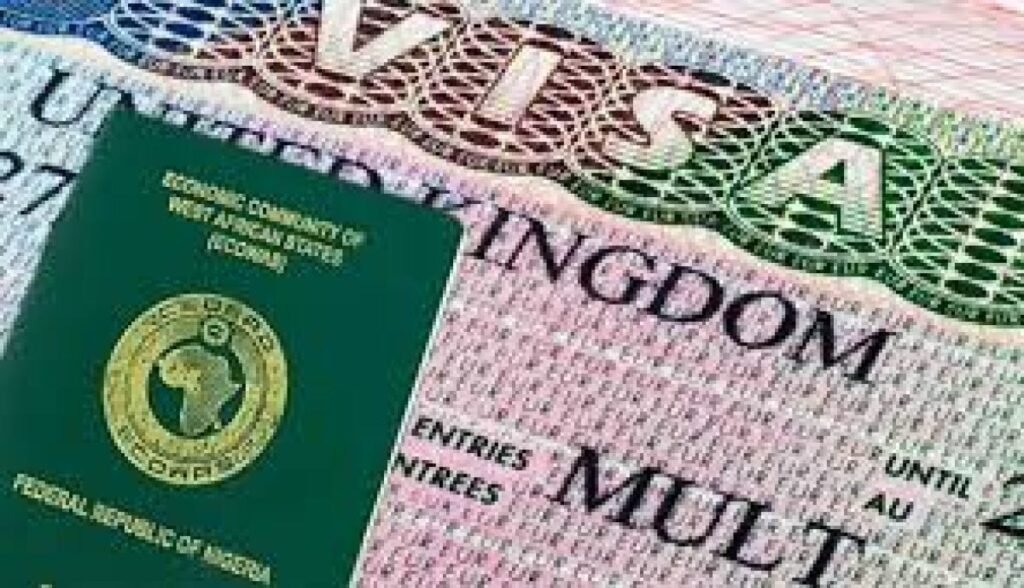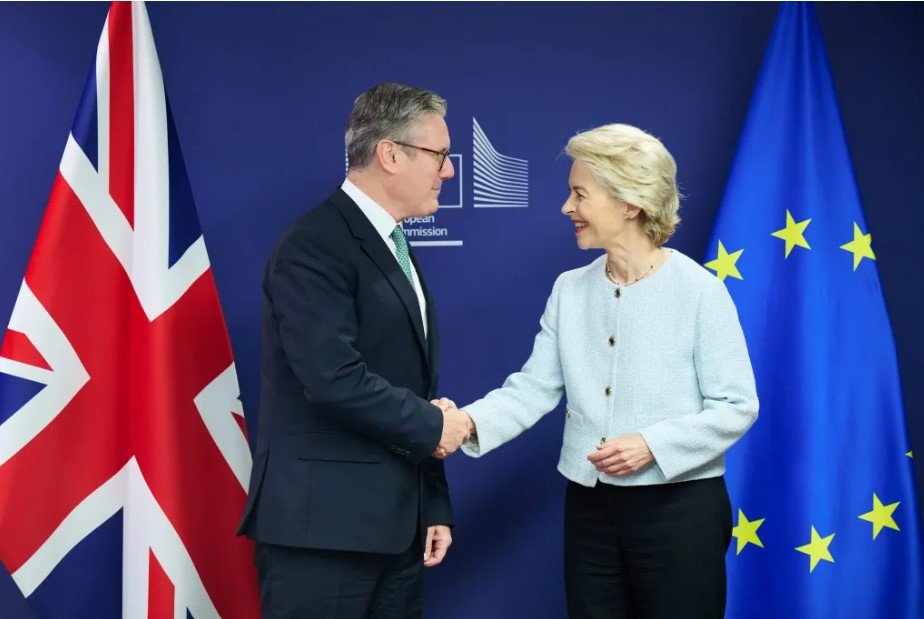
The UK has reopened its Resettlement Scheme to new refugee referrals, with the first arrivals expected before the end of 2026. The announcement has prompted a dispute over the role of the UN Refugee Agency in identifying people for resettlement.
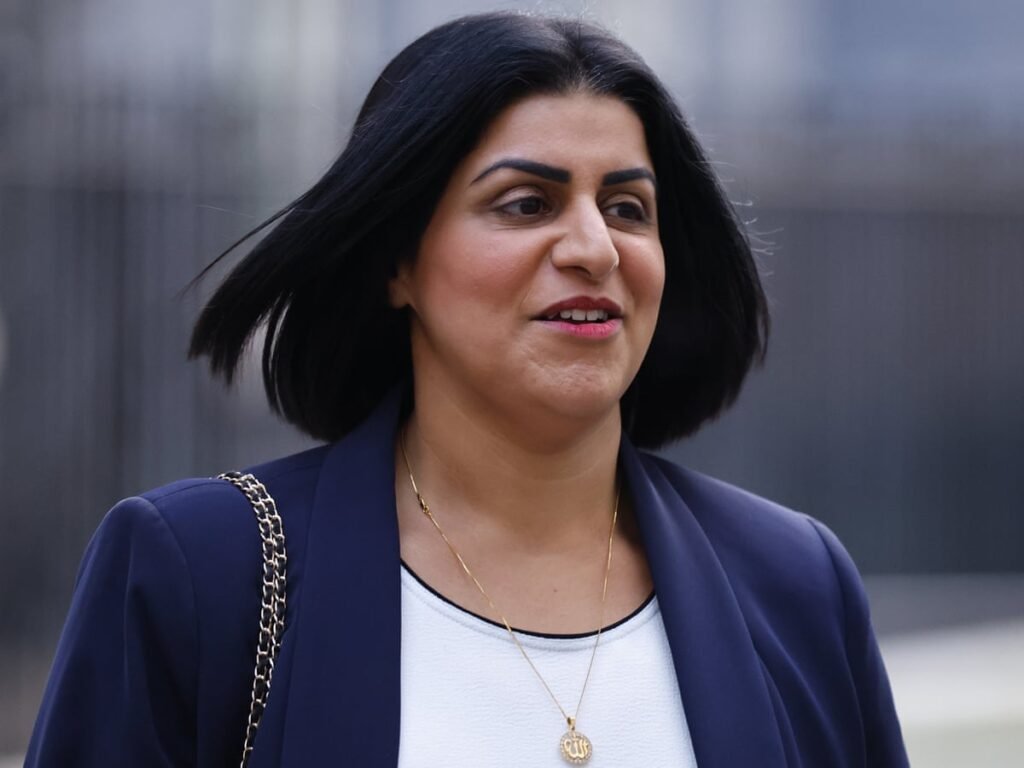
Home Secretary Shabana Mahmood announced the move on 28 September. The government says around one in four referrals will be for Afghan women and girls and Palestinian refugees fleeing war and persecution.
What has reopened?
The UK Resettlement Scheme provides a route for refugees to come to Britain through an organised referral process. The Home Office announcement says referrals have reopened immediately and that the government will work with local authorities on arrivals.
The UN Refugee Agency, known as UNHCR, and the International Refugee Assistance Project will identify and refer refugees through established processes. A referral puts a person forward for consideration; it is not, by itself, permission to enter the UK.
The government has not announced a fixed number of places for this year. It says it will set a cap annually and expects arrivals across the reopened scheme and three planned sponsorship routes to number in the hundreds initially. It expects that figure to grow into the low thousands as levels of illegal migration fall.
Why is the UN’s role being challenged?
In a GB News opinion article, Robert Bates of the Centre for Migration Control argues that the new arrangements hand control of Britain’s borders to the UN and could lead to much larger migration.
His warning raises a political question about how far the routes might expand. It should not, however, be presented as a description of who currently makes admission decisions. The published government plan gives UNHCR a role in identifying and referring refugees. It says the UK will set the annual cap.
The Home Office has also said it will decide which organisations can act as sponsors and that arrivals will face biometric, criminality and health checks. Whether the proposed controls prove effective will depend on how the routes operate as they expand.
What other routes are planned?
Separate from the reopened scheme, charities and non-profit organisations are due to be able to apply from October to sponsor refugees through a community route. Universities will also be able to sponsor refugee students. The first arrivals under those two routes are expected in autumn 2027.
A work sponsorship route is planned as well. Companies are expected to be able to apply to become sponsors from spring 2027, with arrivals later that year. Sponsors would provide accommodation and support with settling in and finding work.
For African and other diaspora communities in Britain, the distinction matters: these are specific refugee resettlement and sponsorship routes, not a general opening of UK immigration applications. The annual cap and the detailed operation of the new routes will be the points to watch as the plans take effect.