A video circulating on social media falsely claims that driving without a licence will become legal in the United Kingdom from 1 October 2026.
The video says provisional licence holders will be allowed to drive alone after completing an approved safety course, without taking a practical driving test. It also presents the change as a nationwide UK government policy.
Neither claim is correct.
The confirmed change is the introduction of Graduated Driver Licensing in Northern Ireland. It does not permit unlicensed driving, and it does not allow learners to drive independently before passing their test.
What is actually changing
From 1 October 2026, Northern Ireland will introduce a new phased licensing system intended to improve road safety among new drivers.
Under the scheme, learner drivers must hold a valid provisional licence and complete a supervised learning period lasting at least six months. They must also complete a structured training programme and record their progress in a logbook before taking the practical driving test.
The Northern Ireland Department for Infrastructure states clearly that the system is designed to prepare learners for the point at which they may drive unsupervised. It does not remove the requirement to pass a driving test.
Learners whose provisional entitlement begins before 1 October 2026 can continue under the existing process and take the current practical test until 31 March 2027. From 1 April 2027, learners will need to complete the new training programme and logbook before booking their practical test.
Driving alone still requires passing the test
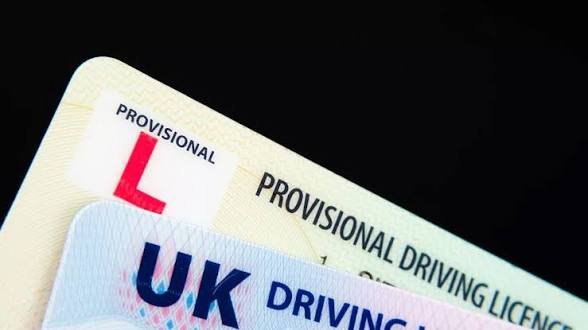
A provisional licence is a form of driving licence, but it comes with legal restrictions. A learner cannot ordinarily drive alone simply because they hold one.
Under the Northern Ireland reforms, learners must continue to drive under appropriate supervision until they pass their practical test. Completing the training programme does not give them permission to drive independently.
The viral video therefore misrepresents both the meaning of a provisional licence and the purpose of the new scheme.
It also incorrectly refers to the Driver and Vehicle Licensing Agency, or DVLA, as the body responsible for the changes. Driver licensing and testing in Northern Ireland are administered by the Driver and Vehicle Agency, known as the DVA.
New restrictions after passing
Once a learner passes the practical test, the new system will impose additional protections during the driver’s early years on the road.
Newly qualified drivers will be required to display an R plate for two years instead of the current 12 months.
Drivers under 24 will also face passenger restrictions during their first six months after passing. Between 11pm and 6am, they will generally be permitted to carry no more than one passenger aged between 14 and 20.
Immediate family members are exempt. The passenger restriction will also not apply when an experienced driver aged at least 21, who has held a full licence for three years, is sitting in the front passenger seat.
Breaching the passenger restriction or failing to display the required R plate could result in a fine of up to £1,000 and three penalty points.
The change is limited to Northern Ireland
The reforms are not a general UK-wide removal of driving licence requirements. They apply specifically to Northern Ireland, which has its own driver licensing system.
The official nidirect guidance describes the policy as a phased licensing programme designed to give new drivers more experience before they drive independently.
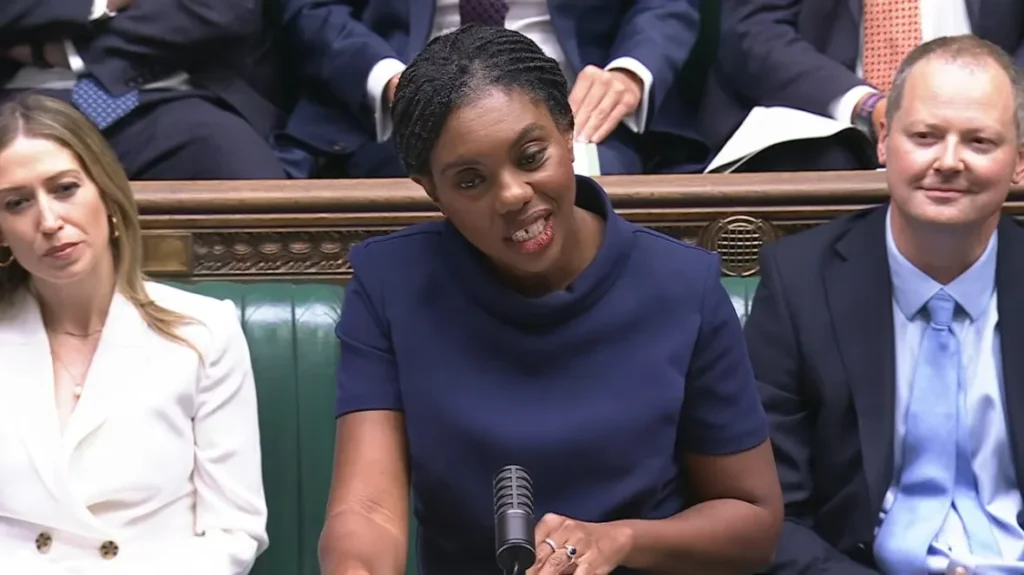
The viral video uses dramatic “breaking news” graphics and unrelated parliamentary footage to give its claims an appearance of authority. Its central message, however, is false.
Driving without the correct licence is not becoming legal in the UK on 1 October 2026. Northern Ireland is introducing a stricter training and post-test system—not abolishing the requirement to qualify before driving alone.