
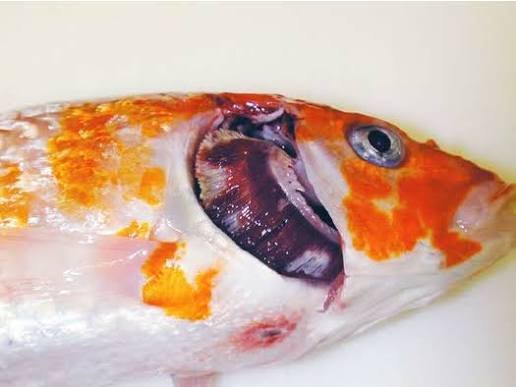
UK authorities have confirmed an outbreak of koi herpesvirus disease at a fish-growing facility near Milton Keynes.
The Fish Health Inspectorate has imposed statutory controls at the Growing Facility, Tree Farm, in Aspley Guise. The controls took effect on 10 September following laboratory confirmation of the disease.
The outbreak was announced publicly by the Centre for Environment, Fisheries and Aquaculture Science, known as Cefas, on 14 September.
According to the official government notice, koi herpesvirus is a serious disease affecting common carp and ornamental varieties such as koi.
Authorities stressed that the virus does not affect people and poses no risk to public health.
Movement of fish restricted
The Fish Health Inspectorate has restricted the movement of aquatic animals, including fish, eggs and reproductive material, into, out of or within the designated area.
Any movement requires prior written approval from the inspectorate. Requests must generally be submitted at least five working days in advance.
Dead aquatic animals must also be disposed of through an approved method that complies with local environmental health requirements.
The operator must notify inspectors if further fish deaths occur or if the disease appears to spread to other waters or facilities within the controlled area.
Material changes to the site, including changes to its boundaries, waters or activities, also require approval while the controls remain in place.
The facility will be placed under formal monitoring. Inspectors are expected to check for further signs of the disease and ensure that the operator complies with the restrictions.
What is koi herpesvirus?
Koi herpesvirus affects all varieties of common carp. It can cause large numbers of fish to die, particularly when water temperatures are between 16 and 28 degrees Celsius.
Signs of infection can include white or brown patches on the gills, damaged or rough skin, loss of mucus and sunken eyes.
Cefas guidance says the virus can spread through direct contact between fish, contaminated water and equipment such as nets, mats and slings.
Fish that survive an outbreak may continue carrying the virus, making strict movement controls and proper disinfection important.
There is currently no treatment for the disease.
Suspected cases must be reported
Koi herpesvirus is a listed disease under the Aquatic Animal Health Regulations covering England and Wales. Suspected infections must be reported immediately to the Fish Health Inspectorate.
Government fish and shellfish disease guidance advises fishery operators to monitor stocks regularly, maintain mortality records and follow strong biosecurity procedures.
Authorities may use movement restrictions, enhanced biosecurity, cleaning, disinfection and, where necessary, the removal of affected fish to contain a confirmed outbreak.
No information has been released about the number of fish affected at the Aspley Guise facility or whether fish deaths have occurred.