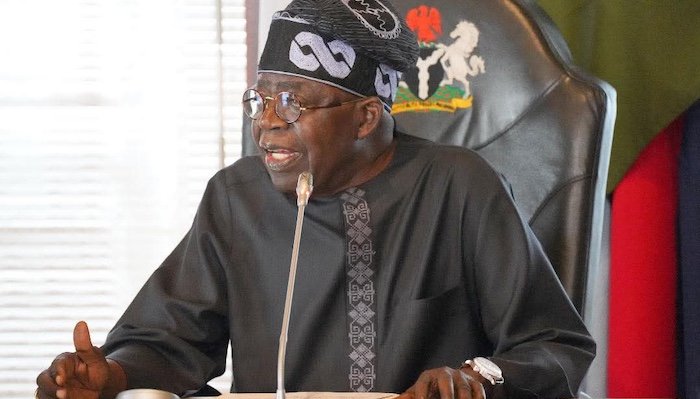
The Federal Capital Territory Police Command says it is processing the release of 78 people arrested in connection with an attack on President Bola Tinubu’s motorcade in Abuja after receiving a directive from the Presidency. The command’s account provides official confirmation of an incident that had been publicly disputed when footage and claims first circulated online.
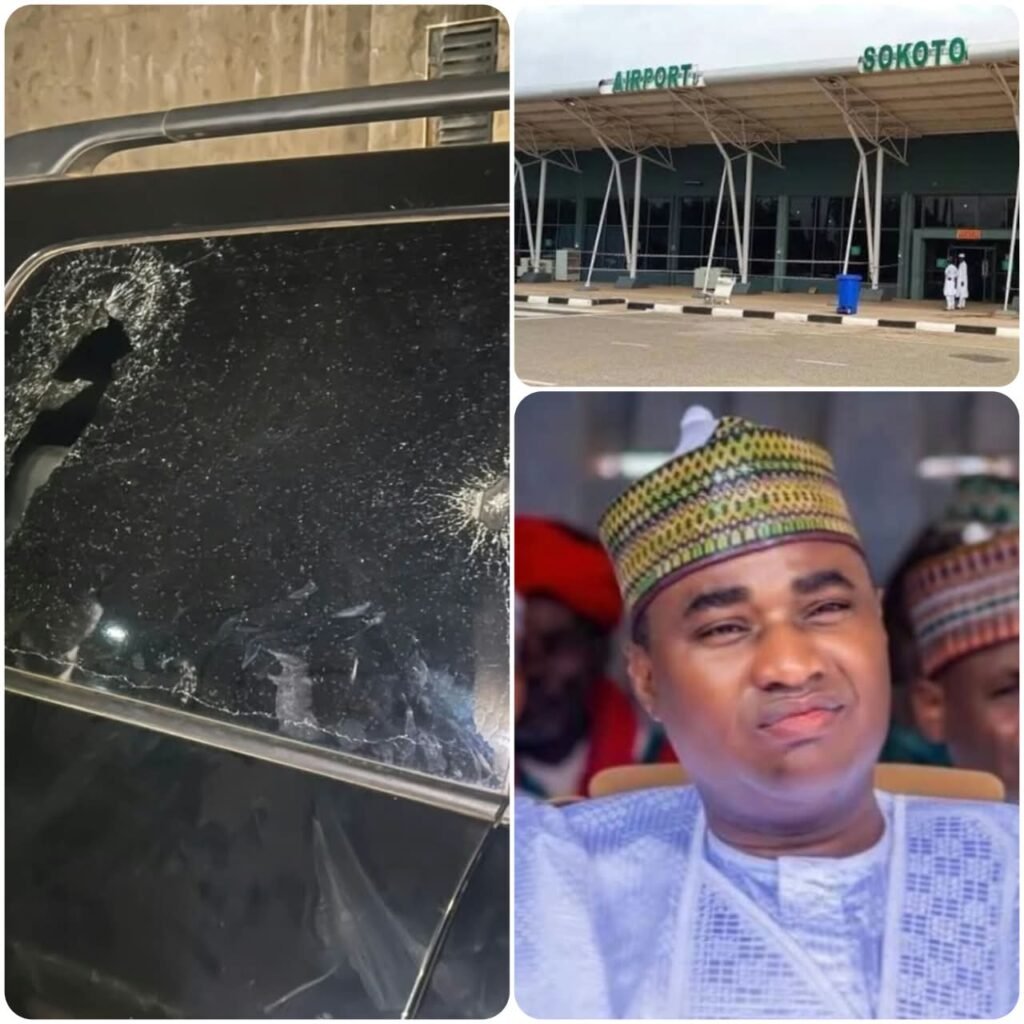
The police statement, reported by PUNCH, says the attack occurred on Friday, 13 November 2026, after the president attended Jumu’ah prayers at a mosque in the Garki area. The command said individuals threw stones and other objects at the departing convoy, causing damage to vehicles and injuries to some security operatives. It did not provide a publicly verified count of injured personnel or an itemised account of damage.

Why Were 78 People Arrested?
Police said officers initially responded to the disturbance and subsequently carried out intelligence-led operations in the area. Those operations raised the number of arrests to 78. The announced figure is a total of people taken into custody, not proof that all 78 committed the same act or that any particular individual has been found guilty.
The distinction matters in a politically charged environment. An investigation must separate people who allegedly used violence from those who were present nearby and from anyone arrested on the basis of uncertain identification. Available public reporting has not established that a court reviewed evidence against every person or that criminal convictions were recorded.
What Did the President Order?
Channels Television reported that the Presidency directed police to warn and release those arrested after extending clemency. As of the police statement on Monday, the suspects were undergoing the relevant release process; that is not identical to confirmation that all had already walked free. Authorities should state when the process is complete and whether any legal proceedings remain pending.
Public descriptions have used the word clemency, but the announced police account does not explain the precise legal mechanism applied to each detainee. A responsible report should therefore avoid describing this as a judicial acquittal or a formal pardon following conviction. If the executive decision affects any pending investigation, the police and legal authorities should clarify the procedural consequences.
Why Was the Incident Initially Contested?
Reports about the attack circulated through video clips and political commentary. A presidential aide had disputed claims that the convoy was stoned, while opposition figures shared recordings they said showed the incident. The later police confirmation changes the evidentiary picture but does not, by itself, authenticate every circulating video, identify every person shown, or prove all claims made by competing political actors.
The Guardian highlighted the gap between the initial public denial and the subsequent police account. Public confidence depends on officials correcting their statements when verifiable evidence emerges. Transparent chronology is especially important for security incidents involving the head of state, where incomplete information can feed rumour and exaggeration.
What Are the Wider Political Implications?
The FCT police commissioner has warned against intimidation, violence, and destruction of property as the country moves closer to the 2027 general elections. The right to express political disagreement is distinct from attacks on people or vehicles. Equally, police responses to demonstrations must be lawful, proportionate, and supported by evidence against individuals rather than broad assumptions about a crowd.
Questions remain about how the attack was investigated, whether officers suffered injuries requiring treatment, and whether security arrangements will change. Independent scrutiny should examine those issues without turning a law-enforcement incident into proof of a wider electoral trend. The existence of public anger cannot be inferred from a single disturbance, just as a presidential release directive does not settle the underlying account of what happened.
What Should Be Confirmed Next?
The next updates should establish whether all 78 detainees were released, whether any charges had been filed, and whether separate inquiries into injuries or property damage continue. Police should also clarify the legal basis of the directive while protecting private information and the rights of people who were never convicted.
The immediate news is the release instruction and the police confirmation of the incident. Claims about criminal guilt, political sponsorship, or the motives of particular participants require evidence that has not been publicly established in the reports reviewed for this article.
Officials should preserve incident records, clarify the timeline of arrests, and distinguish the presidential instruction from any court process. Those steps would reduce the risk that contradictory statements become a substitute for evidence and would allow the public to assess how both safety and civil liberties were protected.
Trivane View
Official reversals demand clear documentation. A credible public account must protect both security personnel and due-process rights, especially when political tensions are high.
Related Trivane News
Plateau Residents Demand Security and Power Ahead of Tinubu’s Jos Rally
State Police Bill Nears Tinubu as 32 Assemblies Back Amendment