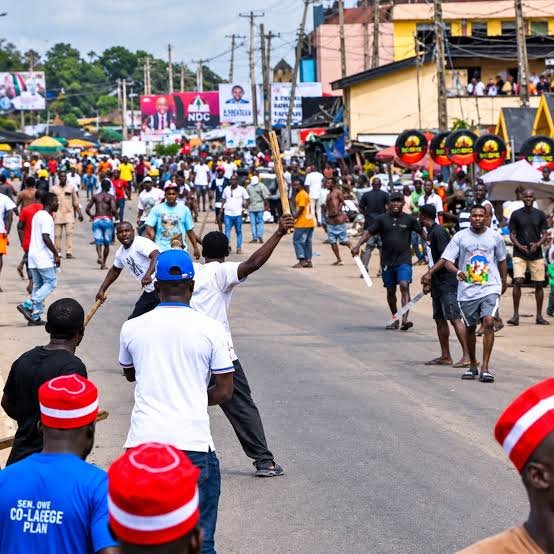
Delta State political leaders and security authorities faced renewed pressure on Monday, 9 November 2026, to account for deadly violence at a Nigeria Democratic Congress rally in Asaba two days earlier. One person was killed, others were injured, and campaign vehicles were damaged during the march. The Delta State Government and opposition figures have offered conflicting explanations for the disorder. The central outstanding issue is who carried out the violence; no definitive investigation findings have yet established responsibility.
What Happened at the Rally?
The incident occurred during a Saturday procession organised by supporters of the Nigeria Democratic Congress in the Delta State capital. The police confirmed that one person died and that others were injured, while vehicles were damaged. Accounts differ on the precise number injured, and investigators have not publicly established the identities of those responsible. Those uncertainties are central to the story rather than minor details: a preliminary casualty report should not be converted into a final confirmed toll.
According to PUNCH, police said they had received intelligence suggesting a risk of violence before the march and advised organisers to hold activities at a designated venue rather than an open road procession. Police said the organisers proceeded despite that warning. The command subsequently reinforced security and opened an investigation.

Why Are Political Groups Disputing Responsibility?
The state government has condemned the violence and argued that security advice was disregarded. Opposition figures contend that rally participants were attacked and want the sponsors and perpetrators identified. Neither a police warning nor a political allegation determines who committed the crime. An independent investigation must examine witness accounts, video evidence, injuries, damage, and any available physical evidence before assigning culpability.
Vanguard reported competing claims from the government and former deputy senate president Ovie Omo-Agege, an NDC politician, who alleged political sponsorship of the attackers. Those accusations remain unproven. The reporting also described damage to numerous campaign vehicles; the precise scale should be treated as a claim pending official verification rather than a final police inventory.
What Did the Government and APC Say?
The Delta State Government and the APC campaign council rejected political violence and called for an impartial inquiry, expressing sympathy for those affected. Their stated position emphasised peaceful campaigning and public order. It is important to distinguish those condemnations from accusations directed at individual organisations or people. Public condemnation does not resolve questions of responsibility, just as disagreement with rally organisers does not justify assaults on participants.
Premium Times, in a News Agency of Nigeria report, said the rally resulted in one death and multiple injuries and described requests for investigators to identify those behind the violence. The account also noted claims that more than 30 vehicles were damaged. The competing figures and statements should be reconciled with documentary evidence before definitive numbers appear in a follow-up headline.
What Does It Mean for the 2027 Elections?
Nigeria’s election season is already generating disputes over candidate selection, campaign access, and the security of political gatherings. Political organisations have the right to conduct lawful activity, while the police have a duty to assess credible threats and protect public safety. The Asaba episode raises a difficult question about how those responsibilities are balanced without allowing restrictions to become a pretext for unequal treatment of rival parties.
Credible investigations require updates that are specific and public: whether suspects have been identified, what evidence supports any arrests, and whether injured participants are receiving appropriate assistance. Electoral observers and parties will also want consistency in the policing of rallies. Accountability is especially important because unresolved incidents can fuel further retaliation and erode trust well before votes are cast.
The immediate accountability process should also protect the rights of victims and witnesses. That includes secure channels for testimony, proper medical documentation, and clear communication about the status of any investigation. Officials should avoid publishing identities before relatives are informed or making claims that could prejudge possible prosecutions. Political parties, meanwhile, can help by preserving evidence and discouraging supporters from spreading unverified videos or retaliatory allegations. The longer-term test is whether all sides accept that lawful assembly and robust political disagreement must be protected together, not treated as competing privileges.
Trivane View
Condemning violence is necessary but insufficient. A transparent, evidence-led inquiry that applies the same standards to every political group is the most credible way to protect participation and prevent further attacks.
Related Trivane News
Police Arrest Suspect After Attack on Peter Obi’s Convoy in Calabar
Atiku Vows to Challenge Court Ruling Nullifying His ADC Presidential Ticket