The UK Home Office is preparing to expand the use of live facial recognition technology as part of a wider immigration enforcement drive, raising concerns about surveillance and the treatment of migrants.
The plans could see facial recognition cameras deployed at transport hubs and public events to identify people of interest to immigration authorities, including individuals facing deportation and those suspected of breaching immigration rules.
A “November 4 report by The Guardian” said newly published policy documents indicate that watchlists could include people who have overstayed their visas or entered the UK without permission.
These immigration breaches are generally civil matters rather than criminal offences, making the proposed use of the technology particularly contentious.

How the technology would be used
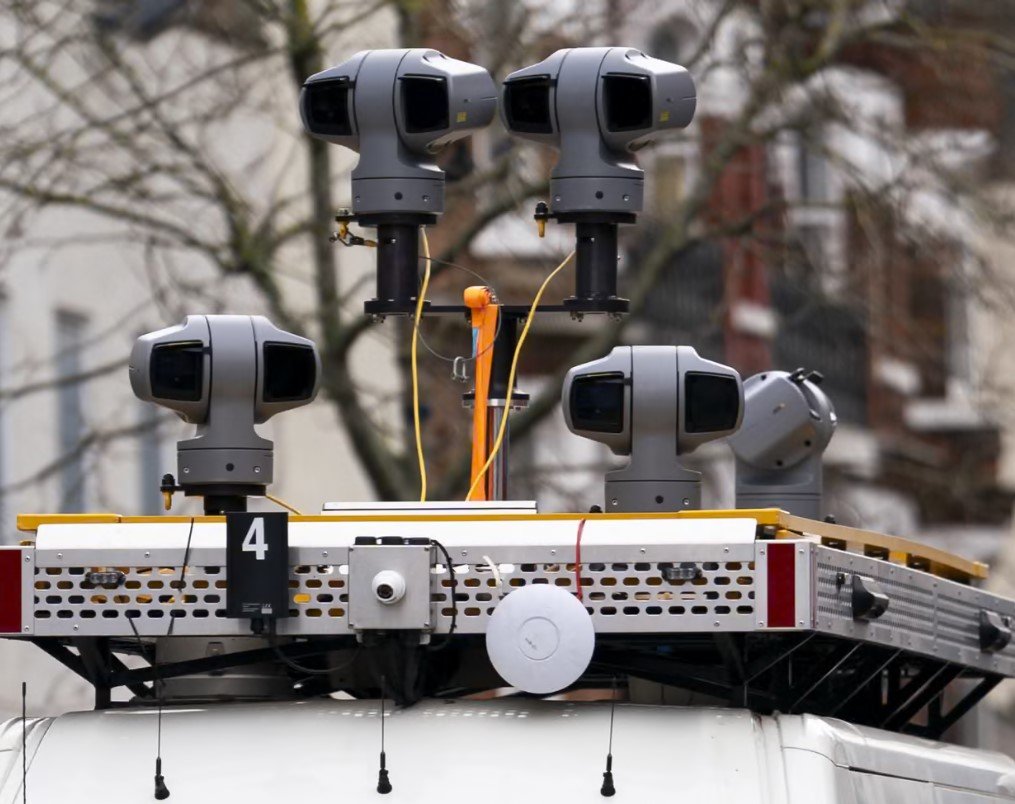
Live facial recognition systems capture images of people passing through a designated area and compare them against a database of faces on an authorised watchlist.
When the system identifies a possible match, a trained operator reviews the alert before officers decide whether further checks or enforcement action are necessary.
The Home Office has previously conducted three trials at Holyhead port in Wales between November 2025 and February 2026. The trials focused on identifying people travelling from Ireland who were subject to deportation orders or wanted under warrants involving immigration offences.
The department’s “published facial recognition policy” says the technology must be used for defined immigration or criminal enforcement purposes. It also states that decisions must remain with trained officers rather than being made solely by automated alerts.
Privacy and discrimination concerns
The proposed expansion has attracted criticism from human rights advocates, who warn that wider deployment could increase surveillance of people in public spaces.
Concerns have also been raised about possible errors in facial recognition systems, including differences in accuracy across demographic groups, and whether adequate oversight exists.
The Guardian reported that the Biometrics and Surveillance Camera Commissioner said he had not been consulted on the policy and that immigration-related facial recognition falls outside his regulatory remit.
The Home Office, however, maintains that the technology could help officers locate people subject to immigration enforcement action while reducing the need for repeated visits to homes and workplaces.
What it could mean for migrants
If expanded, the technology could make it easier for immigration authorities to identify and locate people they are seeking, including migrants who have overstayed their visas or are subject to removal action.
For migrants living, working or travelling in the UK, the development raises questions about how their personal and biometric information may be used, what safeguards will apply and how they can challenge mistaken identification.
The proposed expansion forms part of a wider enforcement strategy, but its implementation and the safeguards surrounding its use will remain central to the debate over privacy and immigration control.