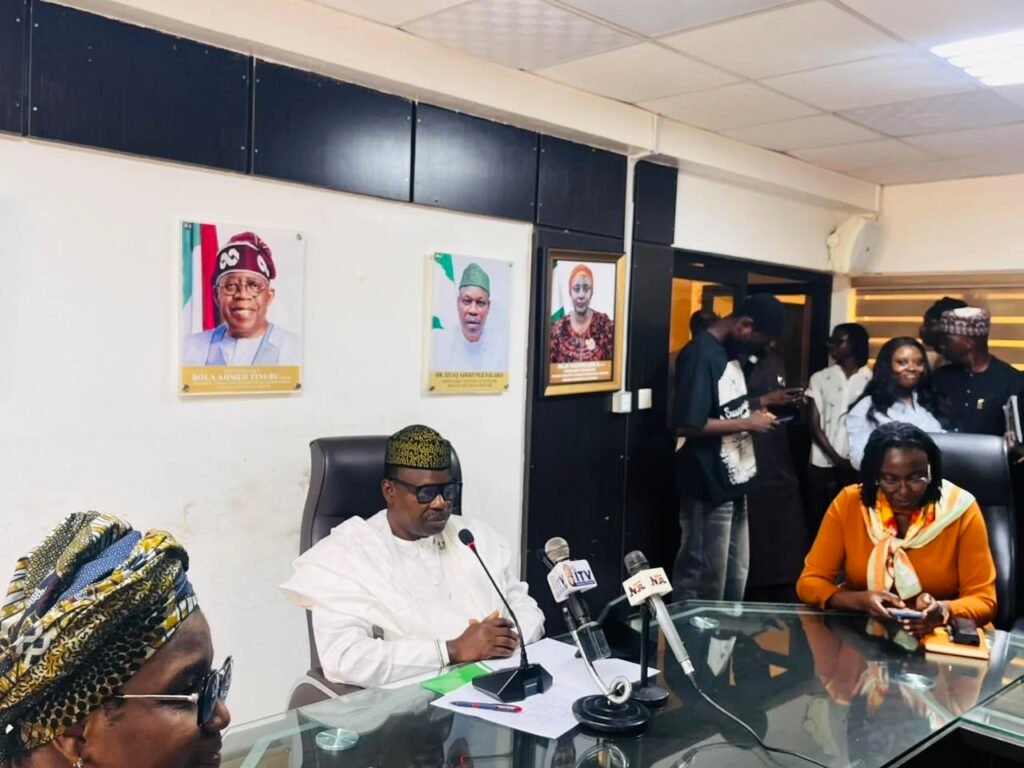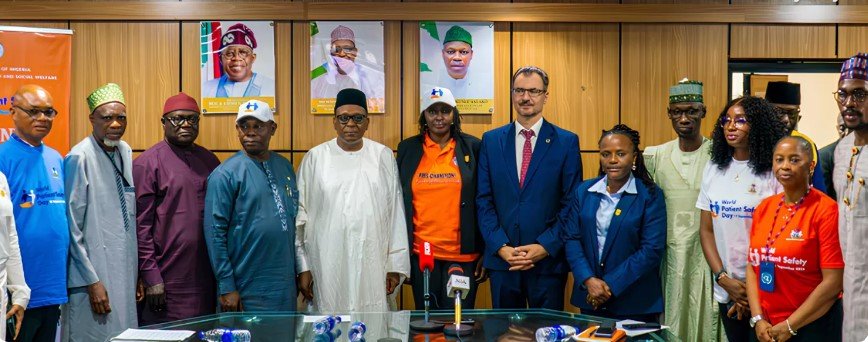
Katsina State authorities say most of the students who became ill following a bilharzia prevention exercise at Government Science Secondary School, Batagarawa, have left the hospital, while an investigation seeks to establish why the reactions occurred. The latest update offers reassurance to families but leaves significant questions about medicine administration, monitoring, and communication during school health campaigns.
In an interview with Channels Television published Wednesday, October 28, Health Commissioner Musa Adamu Funtua said more than 80 percent of affected pupils had been discharged and returned to school. He said eight students remained under medical care at the time of his hospital visit. These figures describe the situation at the time of his remarks, not necessarily the final outcome for every pupil.
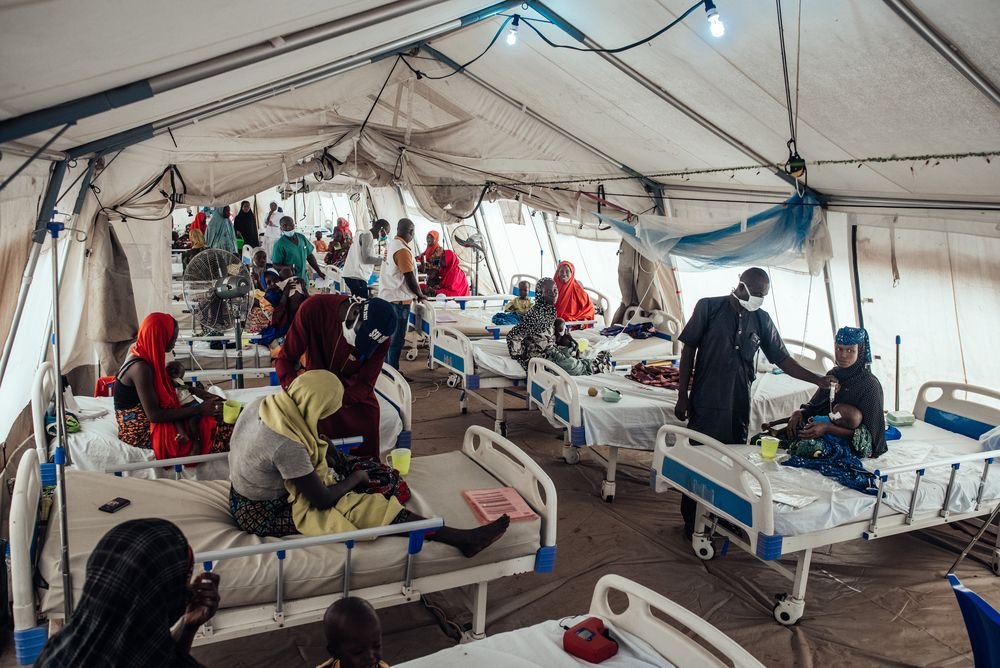
At least 64 students reportedly developed vomiting, abdominal discomfort, or dizziness after receiving medication through a campaign organised by primary healthcare authorities and Batagarawa Local Government. They were taken to Ahmadi Rimi Specialist Hospital and Turai Yar’Adua Maternal and Child Hospital. The state has not released a completed investigation report establishing the cause of the reactions.

What happened during the treatment exercise?
Funtua said the first day of the preventive treatment programme passed without incident and that reactions emerged during a subsequent phase. He suggested that a possible interval between breakfast and drug administration might be relevant, but stressed that an investigation committee would determine what actually happened. That possibility should not be presented as a confirmed medical explanation.
The medical director of Ahmadi Rimi Specialist Hospital, Auwal Sani, previously said that some pupils arrived unconscious but improved after treatment. He said that medication doses were determined using the students’ height. The commissioner also reported that one pupil still receiving intravenous treatment had been diagnosed with malaria rather than with a complication attributable to the bilharzia medicine.
The education commissioner, Yusuf Sulaiman Jibia, separately indicated that arrangements were being made for pupils to resume school. Statements from different officials should be read against their reporting times: a claim that students had recovered does not, by itself, establish that every patient had already been discharged.
Why does the incident matter for school health programmes?
Bilharzia, also known as schistosomiasis, is a parasitic disease associated with contact with contaminated freshwater. Preventive treatment is an established public-health intervention in affected communities. The school incident therefore raises a difficult but essential distinction: investigating an adverse event is not the same as proving that the wider disease-prevention strategy is unsafe.
For parents, the immediate questions are practical. Were children screened for relevant health concerns before treatment? What instructions were given about eating and possible side effects? Were teachers and healthcare workers equipped to recognise reactions and provide prompt referrals? The public accounts available so far do not fully answer those questions.
The government says that emergency transfers helped stabilise affected students. An independent assessment of the response would also consider how quickly symptoms were reported, whether adequate supervision was available, and whether families received timely information. Those details are especially important when preventive medicine is administered to large groups of children.
What Happens Next?
The investigative committee is expected to clarify the treatment timeline, assess relevant medical records, and identify any procedural changes needed before similar campaigns continue. Its eventual findings should be published in language that parents and school administrators can understand, including any evidence supporting or excluding suspected causes.
Health authorities should also provide a final, consistent account of the number of pupils affected, hospitalised, and discharged. Without that reconciliation, changing figures across successive official statements may confuse families, even when the overall trend is positive.
Trivane View
Katsina must release its investigation findings and document corrective action, without prematurely blaming any drug or procedure. The next test is whether the inquiry produces a clear account of events and practical safeguards for future school campaigns, since public confidence depends on those details, not recovery percentages alone.