A report published by Vanguard on October 27 examines how states are pricing political billboards ahead of the 2027 elections and the concern that opposition parties may struggle to secure comparable visibility. The article frames advertising costs as an issue in the wider contest over political access. According to Vanguard.
Outdoor advertising is a commercial service, and providers may legitimately charge for locations, installation, maintenance, and permits. But where state agencies regulate those services, opaque or uneven rules can become a political problem. The crucial question is whether competing campaigns face the same published requirements.
The existence of a high price alone does not establish discrimination. A credible assessment must compare the same location, duration, size, and regulatory conditions for different parties, and distinguish government charges from the prices demanded by private advertising firms.
Why does billboard access matter?
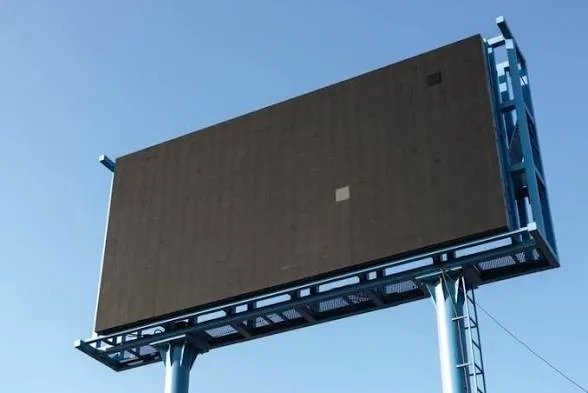
Political advertising is not the whole election campaign, but it can influence name recognition and the visibility of candidates outside major media markets. In constituencies where digital connectivity is uneven, roadside messaging can remain a practical way to reach voters.
A party with a larger budget will naturally purchase more advertising. That is different from a system in which a state-controlled permit process is selectively applied. The distinction matters because a democracy can permit unequal campaign resources without permitting arbitrary government obstruction of lawful political speech.
The issue also concerns public space. Campaign signs must comply with safety rules, protect road users, and avoid damaging infrastructure. Transparent regulation can reconcile those objectives with the need for parties to communicate. Enforcement becomes contentious when reasons for rejection are unpublished or appeals are unavailable.

What evidence would settle the dispute?
Advertising regulators could publish schedules of official fees, permit timelines, approved locations, and objective reasons for refusal. Parties alleging unfair treatment should provide applications, invoices, rejection notices, and comparisons with equivalent approvals granted to rivals. Those records would make claims testable rather than rhetorical.
Civil society observers could also track whether campaign materials are removed at similar rates across parties, and whether government-owned facilities are offered on consistent terms. A pattern of different treatment would warrant closer scrutiny, but no such pattern should be asserted without supporting evidence.
What Happens Next?
The next developments to watch are formal responses from state advertising authorities, documented complaints from parties, and any legal challenge to permit or pricing decisions. The electoral regulator’s role, if any, should be assessed against the relevant statutes rather than assumed.
Trivane View
Electoral fairness requires more than the ability to print a poster. It requires clear, reviewable rules governing how campaigns enter public space. Authorities should publish the rules and apply them consistently, while parties should substantiate allegations with records. Visibility must not depend on political favour.