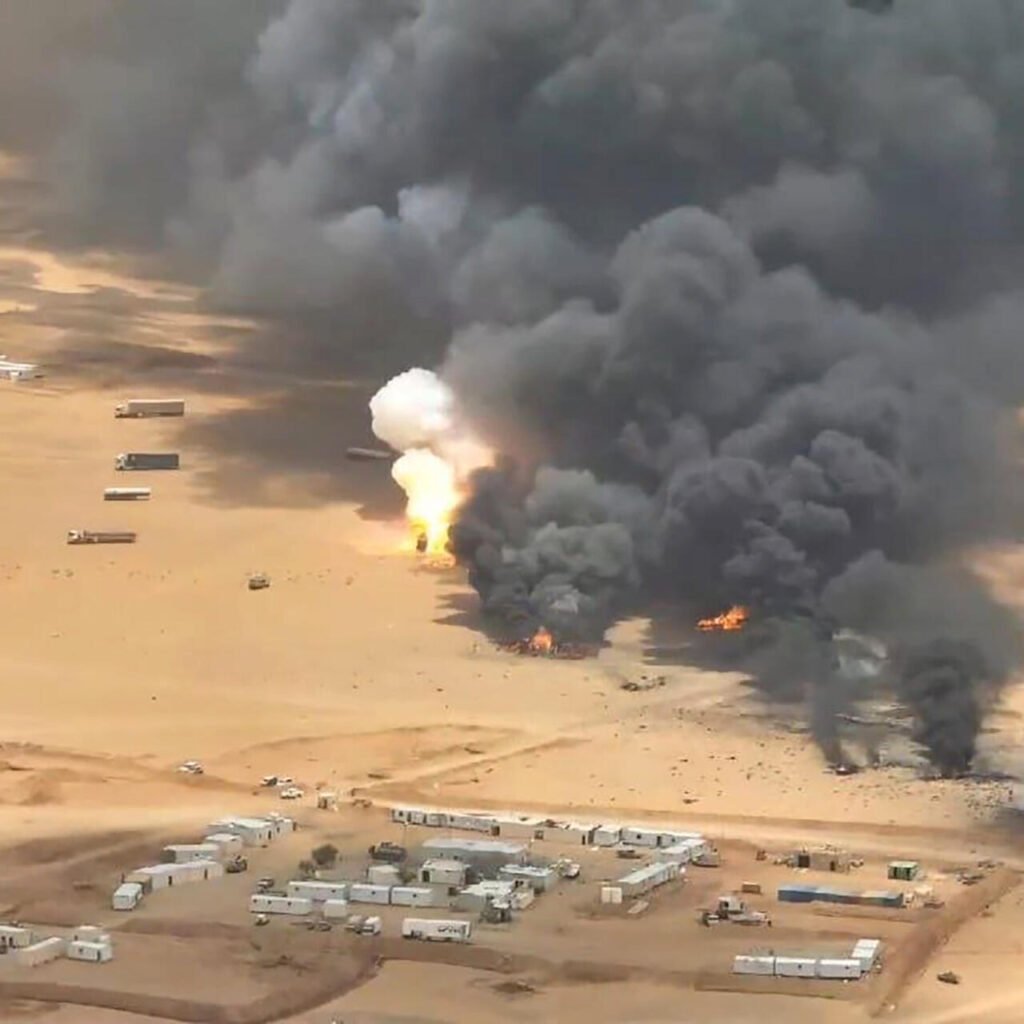
Oil prices fluctuated on Tuesday, 27 October, as diplomatic efforts to ease tensions in the Middle East offered some relief to markets while renewed attacks on Saudi Arabia kept concerns about supply disruptions alive.
In a report carried by Reuters, Brent crude futures were up 40 cents, or 0.4%, at $116.24 a barrel by 0718 GMT US West Texas Intermediate crude rose 30 cents, or 0.3%, to $102.07 a barrel.
Both benchmarks had fallen by about 1% earlier in the session, demonstrating how quickly market sentiment was shifting in response to developments in the region.
Diplomatic Talks Offer Some Relief
Saudi Arabia, Turkey and Pakistan held talks with Iranian officials in Tehran on Monday as part of efforts to ease regional tensions.
Iranian state media reported that the countries agreed to continue discussions aimed at strengthening cooperation on peace and security. Saudi Arabia said the visit was intended to establish channels for negotiations and help prevent a return to military escalation.
The prospect of progress in diplomacy helped ease some concerns about a wider disruption to oil supplies. However, the talks had not established that the conflict was close to ending.

Shipping Risks Continue to Support Prices
Renewed attacks by Iran-aligned Houthi forces on Saudi Arabia highlighted the continued security risks facing the region.
The Strait of Hormuz is particularly important to global energy markets because a substantial share of the world’s oil supply normally passes through the narrow waterway. Disruption there can affect exports, shipping costs and the availability of crude oil and refined fuels.
Reuters reported that Brent had climbed above $117 a barrel in the previous week, reaching its highest level since April, following Iranian attacks on tankers around the Strait of Hormuz. Brent also touched $117 on Monday.
The latest price movements therefore reflect competing forces: hopes that diplomacy could reduce the threat of further disruption, and concerns that attacks could continue to interfere with regional energy flows.
What It Means for Energy Markets
Oil prices are influenced by both actual supply disruptions and expectations about future developments. Signs of de-escalation can reduce the additional risk premium built into prices, while renewed attacks can push prices higher.
For countries that import oil, sustained price increases can raise fuel-import bills and add pressure to transport, production, and consumer prices. Oil-exporting countries may benefit from higher export earnings, although the overall impact depends on production, domestic fuel costs, and government policy.
Tuesday’s movements do not confirm that supply risks have eased permanently. Markets are likely to remain sensitive to diplomatic developments, attacks on shipping, and changes in the flow of oil through the region.