What Has Changed?
Nigeria’s effort to establish state police has gathered further support among state lawmakers, as several assemblies endorsed a proposed constitutional amendment and a presidential working group advanced a separate package of policing legislation for legal review.
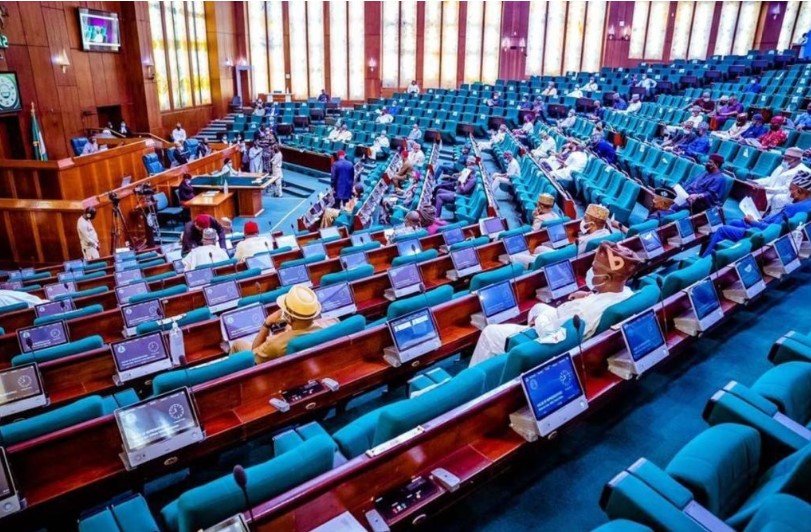
The Guardian reported on 21 October that 13 state assemblies had approved the constitutional proposal. Its report listed Kwara, Taraba, Nasarawa, Ogun, Delta, Cross River, Plateau, and Enugu among the states approving the bill in the latest wave, alongside earlier approvals from Edo, Osun, Oyo, Rivers, and Zamfara.
Other reports carried lower counts, reflecting differences in reporting cut-off times and confirmation of assembly decisions. Premium Times described Nasarawa as the twelfth state to approve the proposal. Those figures should not be treated as simultaneous official tallies.
Why Is State Assembly Approval Necessary?
The constitutional amendment seeks to create a legal foundation for policing at state level alongside federal policing. Because it would alter the Constitution, the proposal must pass the required constitutional amendment stages; endorsement by some assemblies alone does not make state police operational.
The benchmark cited in current reporting is support from at least 24 of Nigeria’s 36 state houses of assembly. The final constitutional process also requires the relevant federal legislative approvals and presidential assent where applicable. No state government can infer from an assembly vote that it has immediately acquired a fully established police service.

PUNCH reported that Ogun, Delta, Plateau, Kwara and Adamawa had approved the measure, while describing earlier approvals by five other states. The variation with later reports underscores why a definitive running count should be updated against official assembly communications.
What Is the Federal Government Preparing?
The State House announced that the Presidential Working Group submitted a draft National Policing Bill and 29 consequential amendment bills to the Federal Ministry of Justice on 19 October. The government published the statement on 20 October.
The proposed legislation envisages a dual structure: a Federal Police Service and State Police Services. The 29 accompanying bills are intended to address related legal provisions that may need amendment if the policing framework changes.
The Ministry of Justice is expected to return its validated drafts by 30 October. The working group would then review the text before submitting it to the president for eventual transmission to the National Assembly. That sequence means the national policing legislation remains at the drafting and review stage, not the implementation stage.
What Questions Remain Unanswered?
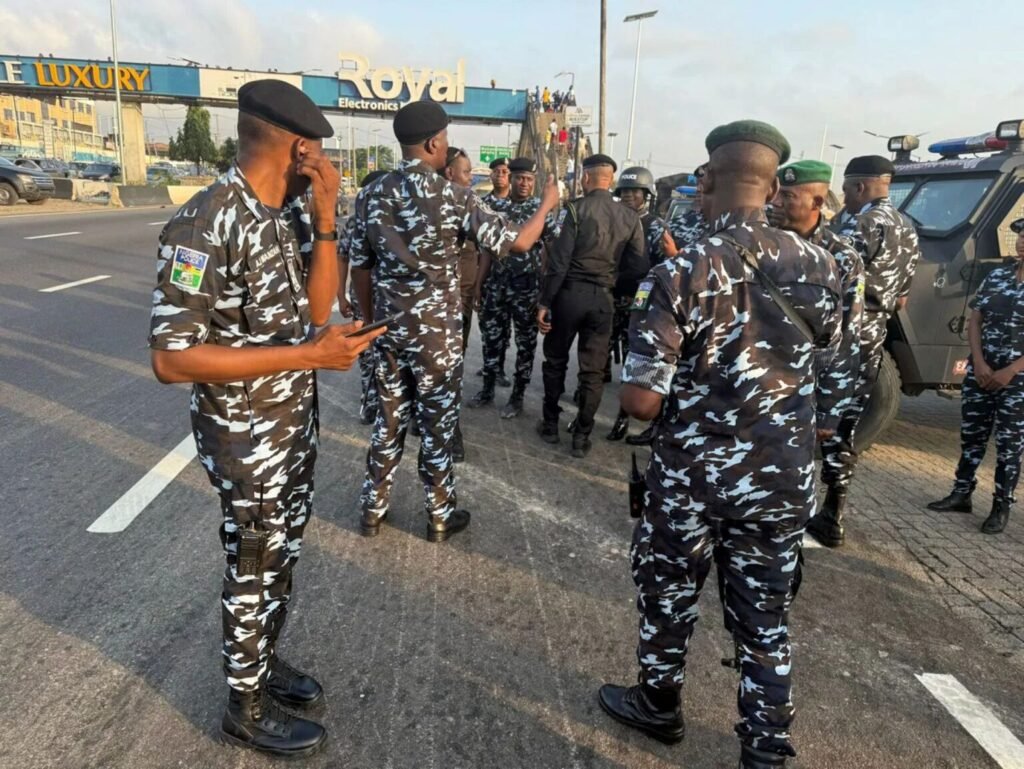
Supporters argue that locally accountable forces could respond more quickly to insecurity and give states greater responsibility for public safety. Critics and civil-liberties advocates have raised concerns about political interference, funding inequalities, recruitment standards, and mechanisms to prevent abuse.
Those competing considerations will need to be addressed in the legislation itself. Questions include who appoints senior officers, how misconduct complaints are investigated, how state and federal jurisdictions overlap, and what safeguards protect citizens when local political interests conflict with law enforcement.
The present legislative momentum is significant, but neither a final national policing model nor an operational start date has been confirmed.
What Happens Next?
Watch for verified state assembly resolutions, the constitutionally required approval threshold, and the Ministry of Justice’s review expected by 30 October. The presidency and the National Assembly will then determine the next steps for the draft national policing framework.
Related Story
Read Trivane’s earlier coverage of the #EndSARS memorial and policing concerns